You’ve heard of Machu Picchu, but what to do in South America besides that? For some of the most incredible landscapes on the planet, read my advice on these top destinations in Peru, Bolivia, Chile, and Argentina.
I’ve been to over 50 countries, but the salt flats of Bolivia, the architecture and vistas of Machu Picchu, and the views of Iguazu Falls are truly some of the wonders of the world.
If you have only 1 week, go to Cuzco and Machu Picchu.
If you have 2 weeks, go to Cuzco, Machu Picchu, and the incredible salt flats of Bolivia for unforgettable landscapes, delicious food, and two wonders of the world.
If you have 3 weeks, you have choices: go to Cuzco, Machu Picchu, the Salt Flats, and Iguazu Falls, for the absolute highlights of South America, or spend 2 weeks in Peru and 1 week in Bolivia, getting to see more of Peru and spending less time in transit.
With 4 weeks, you can slow down in Peru and Bolivia, and go to Iguazu, for the best of South America.
With 5, you can explore Peru, Bolivia, San Pedro de Atacama in Chile, the area around Salta in Argentina, and Iguazu Falls. You get the best of South America at a more leisurely pace.
Not sure how to plan your trip? Tell me which of the places in this article you want to go to, your budget, and what your travel group is like, and I’ll tell you which places to go to, how long to spend in each one, and must-see things to do! You can buy your personalized planning session with me here.
These are of course not the only fabulous sights in South America.
Colombia is an incredible destination, with wonderful biodiversity and varied landscapes that deserve its own trip. Ecuador, with the Galápagos and its own dramatic landscape from high mountains to the Amazon, could also be its own month-long journey. Brazil is enormous and has some of everything too.
Patagonia is famous, but I’m not including it for two reasons:
- The only time you can comfortably go is in the summer, November- March, which is the rainy season for Machu Picchu and the Salt Flats, making everything muddy and less accessible. I think Machu Picchu and the Salt Flats are more important to prioritize because…
- You’ll see incredible mountains around Cuzco and Machu Picchu, and surreal high altitude landscapes everywhere around the Salt Flats. For glacial landscapes like Patagonia, you can also go to Iceland, New Zealand, Canada, and others. There is no where else in the world you can see Machu Picchu or the Bolivian Salt Flats (at that scale), and Iguazu is really the best waterfall option in the world!
Planning what to do in South America
How I chose what to do in South America
The destinations in this post are relatively easy to link together and represent I think the most dramatic, unique, and convenient/safe/comfortable for a reasonable budget. So if you have just three weeks and want to see the absolute best, this is what to do in South America.
To go to Peru and Bolivia, it’s actually a lot easier traveling around on your own than in most other countries because of a company called Peru Hop/Bolivia Hop. It’s very well run and makes traveling around Peru and Bolivia remarkably safe and easy, especially for solo travelers. We used it to get from A to B directly from one hotel/hostel to the next, and we even booked some activities directly through them. It is a very safe, reliable, and easy service.
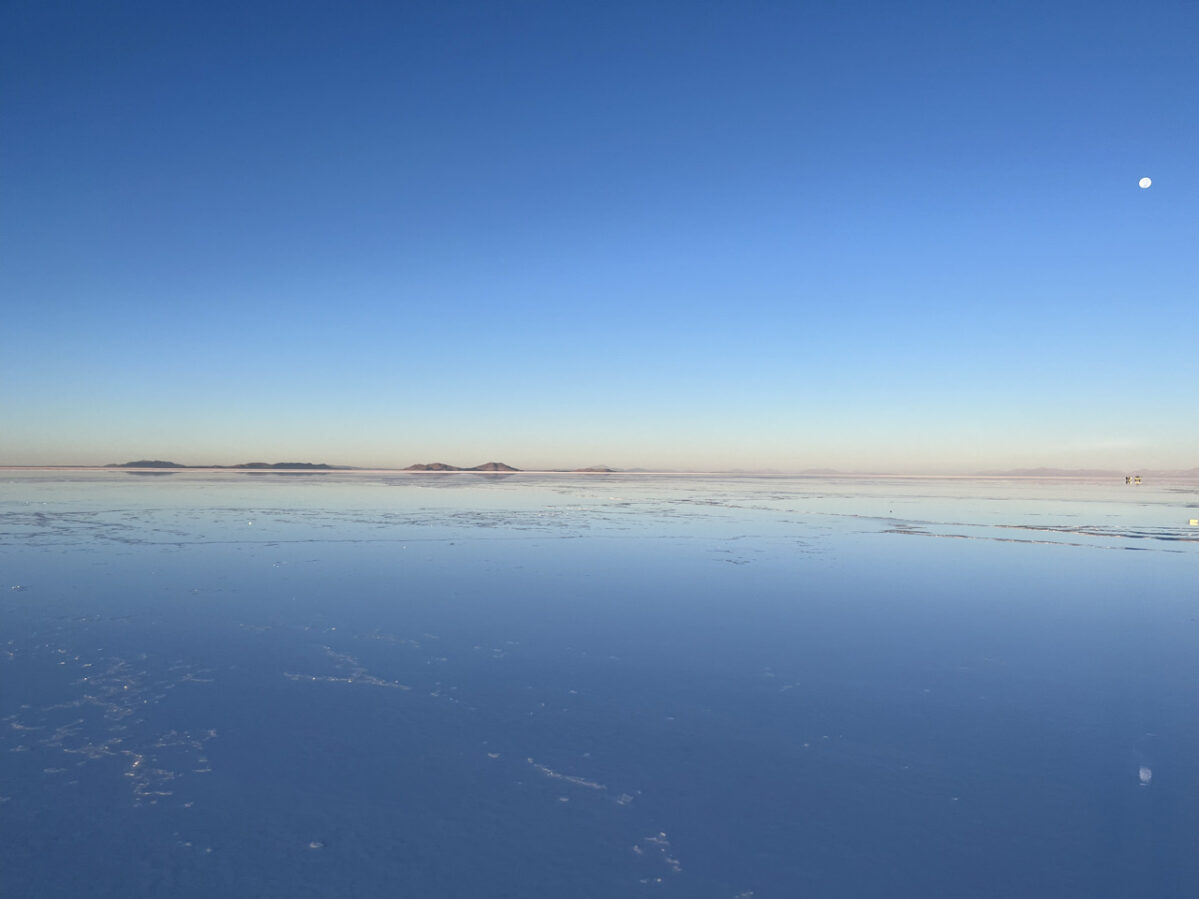
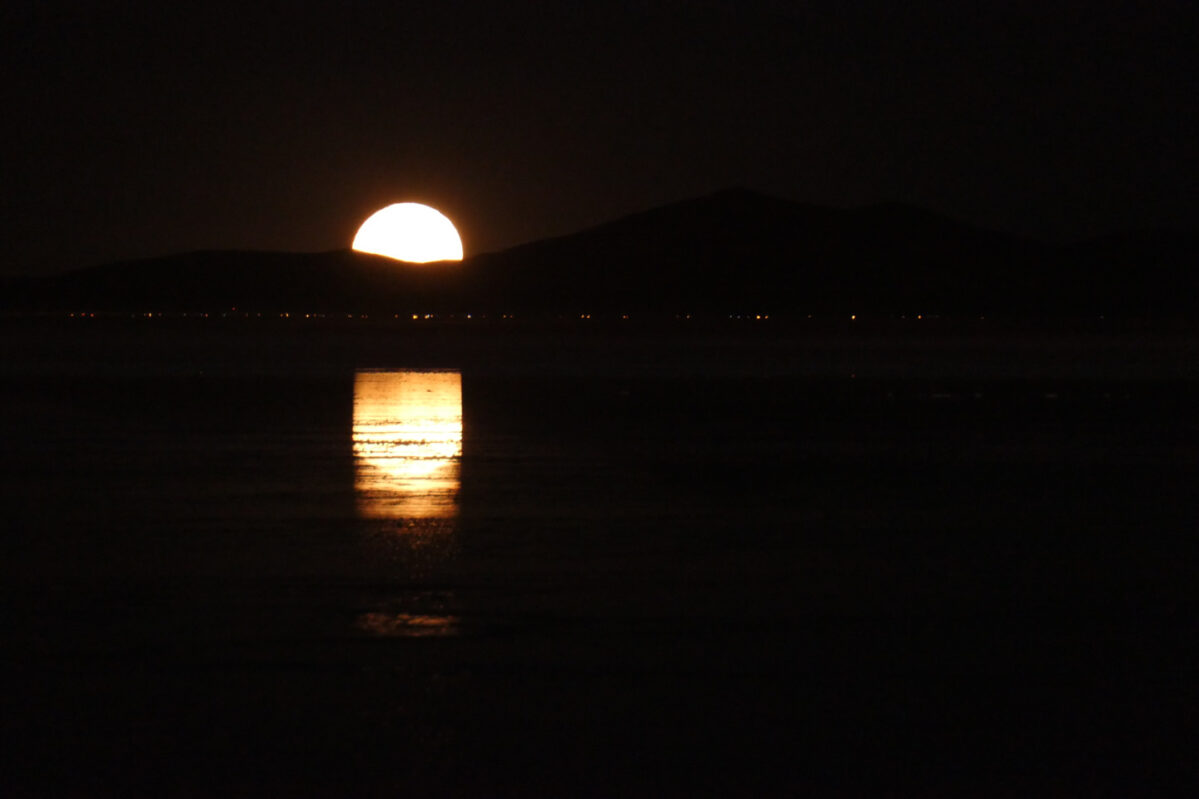
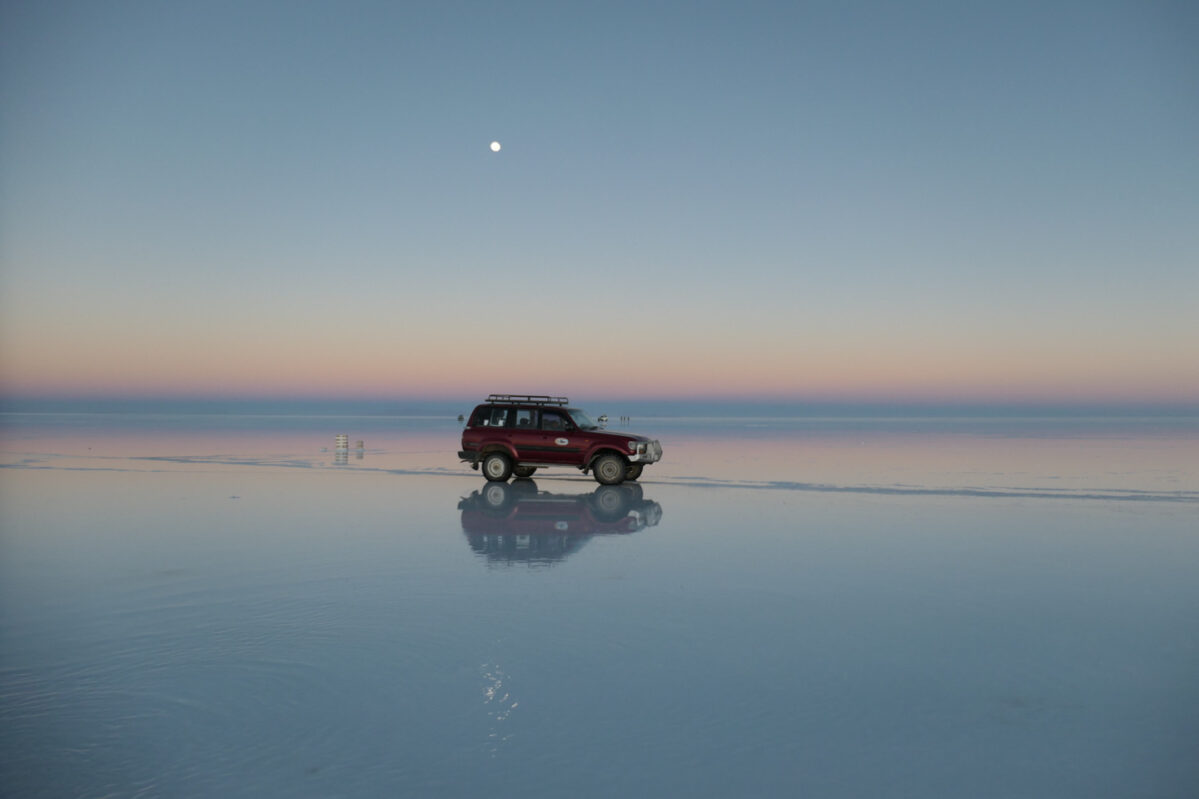
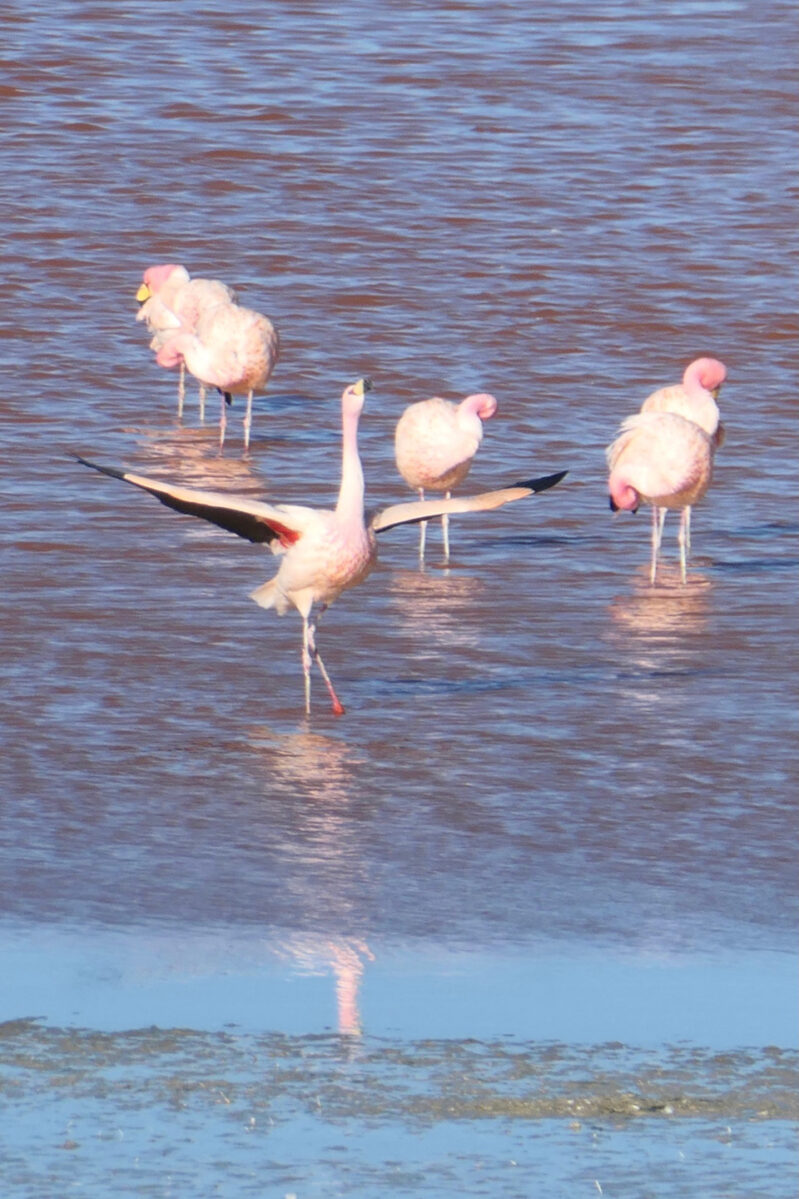
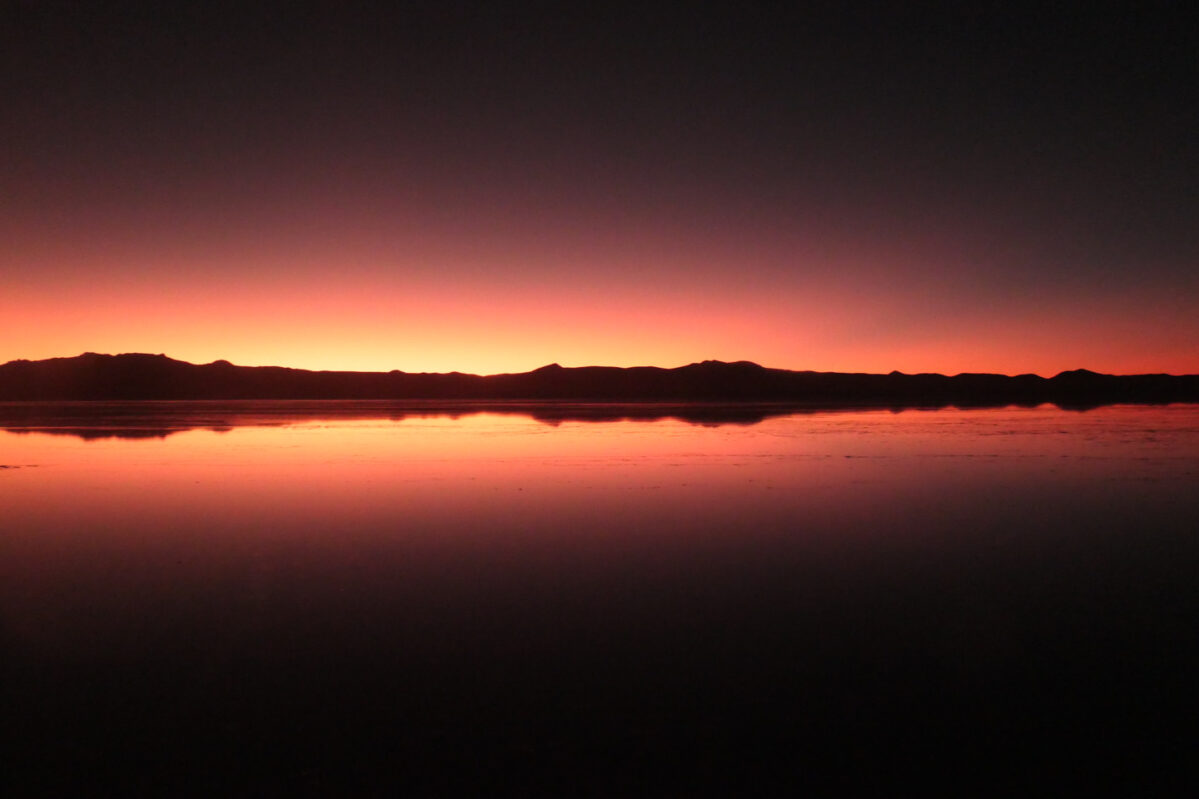
In Bolivia, the most important place to visit is the salt flats. They are unbelievable. You can see photos, but they are really one of the wonders of the world. The high altitude lakes with flamingos are also stunning, and watching a sunrise, sunset, or moonrise over the water reflecting and the salt shimmering is one of my favorite memories ever.
In Peru, of course you do really need to see Machu Picchu. The location as well as the history and archeology makes it another of the most impressive sites in the world. But unlike Bolivia, Peru has many other must-see experiences:
- Peruvian food is world-class, with some of the best restaurants anywhere without the prices that normally put such places out of reach of teachers like me.
- Peru has sand dunes, where you can go sand boarding or hiking or in ATVs.
- Peru has one of the deepest canyons in the world, twice as deep as the Grand Canyon, where you can hike down and back up while watching the incredible condors soar above.
- There are gorgeous colonial towns with fascinating museums and Incan artifacts, like Arequipa
- Cuzco, your base for exploring Machu Picchu, is a wonderful city with so much to see- I’d spend as much time here as you can!
- The Nazca Lines will blow your mind as you see these enormous figures from a plane ride above!
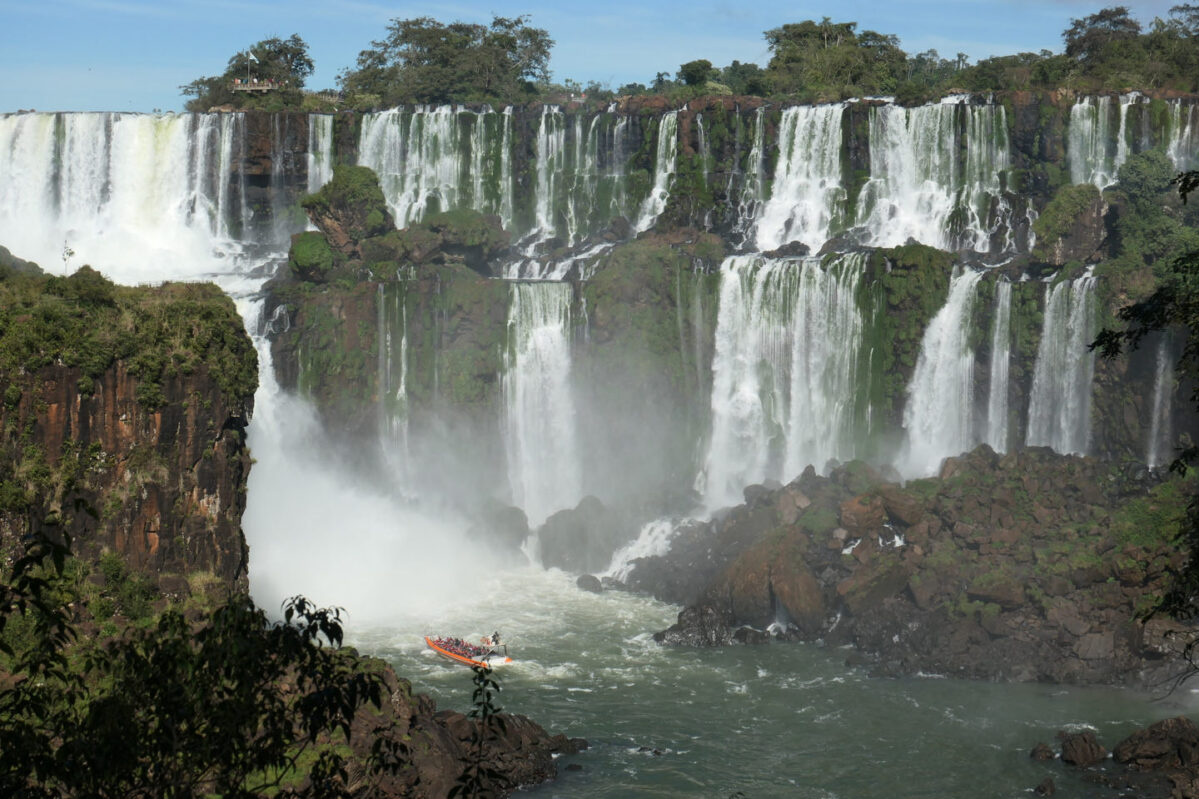
On the border of Argentina and Brazil, Iguazu Falls is twice as wide as Niagara Falls, in a lush tropical rainforest overflowing with butterflies and birds, and is a gorgeous complement to the salt flats and high desert landscapes in Bolivia and the Andes mountains of Peru.
When to go to South America
When you go to Machu Picchu, especially if you hike there, you don’t want it to be rainy, muddy, and cloud-covered the whole time. If you’re physically able to hike there, I’d highly recommend that (more details below), in which case the weather will matter even more.
The drier season is May- September, and of course with summer vacations in the northern hemisphere, June-August is the busiest season. So if you’re able to travel in May or September, that would probably be ideal…though of course rain and even snow can happen unexpectedly in the Andes!
For the Bolivian salt flats, the other absolutely must-see destination, you’ll have to decide on your compromises. The dry season is the same- May- September, with April and October being the transition months. The dry season means you’ll be able to travel everywhere without any mud issues, the skies will generally be clear blue (though it can be windy in August), and the guides know where there might still be some areas with water year-round.
However, it is COLD on the salt flats in their winter! We prioritized having good weather for our Inca Trail hike, so we went to Machu Picchu in mid-May. We got lucky with clear blue skies and stunning views…but the week before us had snow and no visibility! That meant we were on the salt flats in early June. It was absolutely gorgeous, with bright blue skies…but the temperatures were below freezing at night.
If you go to the salt flats in the rainy season, you’ll see larger portions of the salt flats covered in water- creating a beautiful mirror effect. But of course, the rainwater can also be so deep that you can’t travel to all the different spots. It will be much more comfortable temperatures during the rainy season, but mud will be an issue.
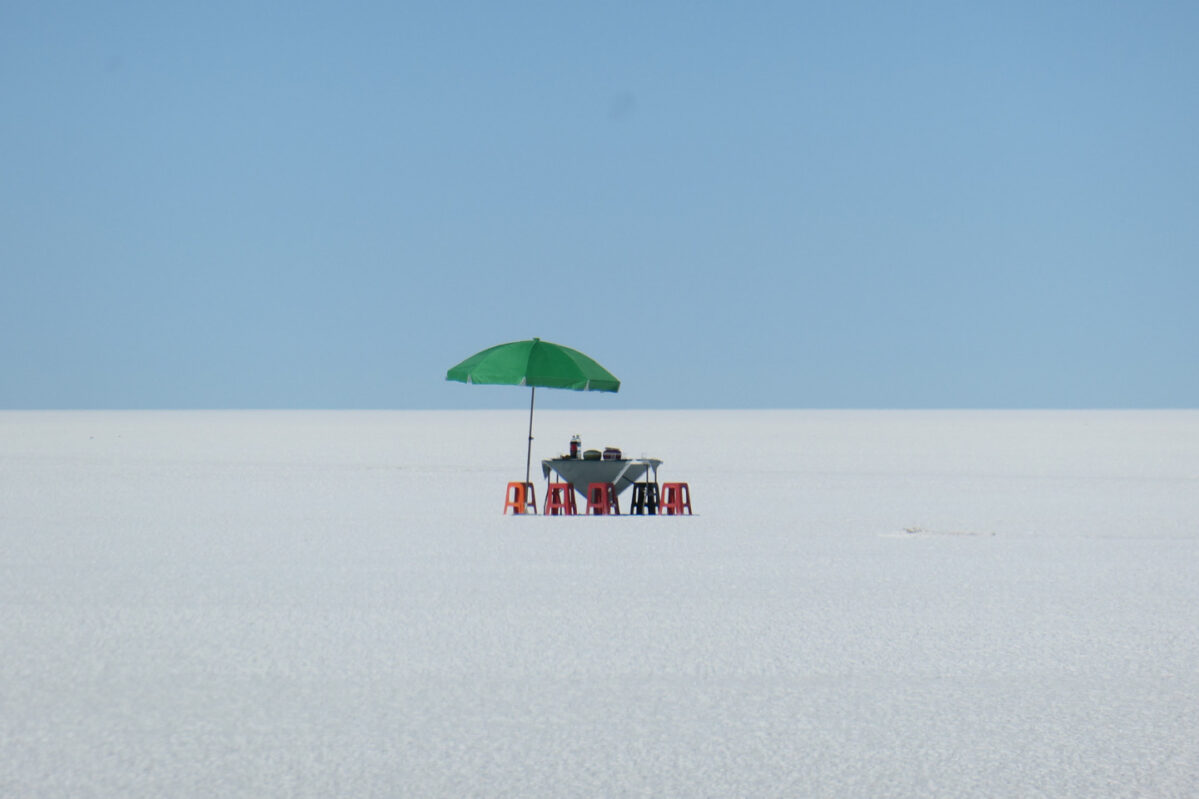
For us, it was more important to have open roads, good visibility, and dry skies in both Peru and Bolivia, so we went in May and early June. The other best time to go in my opinion would be early September. If you need to follow school vacations, go immediately to Machu Picchu in June, before all schools get out, and then to Bolivia- but bring clothes for freezing temperatures!
If you want to read about how I was able to take a year off to explore South America in detail, click here.
If you want more information about how to afford to travel, here’s my article about that.
Are you a teacher, or flexible enough to work around children’s school vacations? I wrote about best destinations for each school vacation just for people tied to the school calendar!
Top 3 Things to Do in South America
With limited time- 2 weeks or less- I’d focus only on the absolute must-see sights: Cuzco, Machu Picchu, and the Bolivian salt flats. Machu Picchu and the salt flats are truly two of the wonders of the world, and even on the shortest trip, I’d try to see them.
If you absolutely must choose, then which ones you go to depends whether you want to see pure natural beauty (salt flats), or a mixture of stunning landscapes, archeology, history, and food (Machu Picchu and Cuzco).
I’m including Cuzco for two reasons:
- You won’t be able to enjoy Machu Picchu if you go there immediately after landing in Cuzco, because Cuzco and Machu Picchu are at high altitude. Cuzco is at about 3400m/11,000ft, and Machu Picchu is at about 2400m/8,000ft. I strongly, strongly recommend spending at least 2 or ideally 3 or 4 days in Cuzco first to get used to the altitude, over any jetlag, and because…
- Cuzco itself is an incredible destination. With excellent museums about the Incas, world-class food, workshops and classes, and the springboard for dozens of different natural and archeological adventures, you could easily spend a month or two here and not run out of new activities to do each day. From Cuzco, you can either take the train to Machu Picchu or start the Inca Trail and walk there (more details below)
How Long to Spend in South America
We spent 3.5 weeks in Peru and 2.5 weeks in Bolivia, for 6 weeks in total. In Bolivia, I think the salt flats are the only must-see stop, which requires at least a few days (to travel to and ideally at least 3 days there). So for the shortest trip, I’d give 5 days to Bolivia.
For Peru, you could happily spend a month or two exploring all it has to offer. The shortest time would be 1 week, if you just go to Cuzco and Machu Picchu- so if you have 10 days, you could see the absolute best sights: Machu Picchu, Cuzco, and the salt flats.
With more than 10 days, I’d spend as much as you can in Peru, and then take the bus from Cuzco to Lake Titicaca and on to La Paz, where you could either take a bus to Uyuni and the salt flats, or fly (depending on your time and budget).
With 14 days, spend 9 days in Cuzco and Machu Picchu, and use the other 5 for travel and the salt flats.
With 15-18 days, add on Arequipa, for another beautiful colonial town, more excellent museums and fantastic food, and another possible hike (Colca Canyon).
If you have 18-24 days, then you can see all of my recommended stops! Start in Lima, which is a world-class city for food and archeology/art museums, see the Nazca lines, sand dunes, Colca Canyon and Arequipa, as well as Cuzco, Machu Picchu, and the Salt Flats.
With more time, slow down, take your time, and enjoy all that Peru and Bolivia have to offer. Stop in Sucre and Potosí on your way to the salt flats. Do the salt flat tour ending in San Pedro de Atacama. Consider spending more time by traveling around northwest Argentina afterwards, or flying elsewhere like Iguazú Falls.
Not sure how to plan it all out? I’m happy to discuss with you what your priorities are and figure out which sights you should see for how long! Click here for a personal travel planning session with me!
What you need to do NOW to plan your trip to South America
- Book your trip to Machu Picchu! As soon you know your dates, book your Machu Picchu experience. We went with Alpaca Expeditions and were SO glad we did: fantastic customer service, delicious food, high-quality equipment, and our guide and porters were well-treated and well-paid. We did the 5 day/4 night Inca Trail, and that is what I’d most recommend for most people- if you love hiking, archeology, and are reasonably fit. More details below under Machu Picchu!
- Book your flights: Depending on how much time you have, you can fly into Lima, Cuzco, La Paz…or Buenos Aires! Read this whole article and decide on what you most want to see and how to link them all together. If you need help, contact me for a specific plan. Book these long-haul flights as early as possible!
- Book your Salt Flats trip: We used Andes Salt Expeditions tour operator and did the 4 day/3 nights longest trip, but they have shorter trips too as needed. We did the “medium” level of cost, as we were traveling with my parents and wanted a bit more comfort. They took fantastic care of us, our guide and driver were excellent, and they gave us experiences no one else had, like a magical moonrise with the mirror effect even though it was the dry season. They know the best places for each month!
- Decide on your Peru Hop ticket based on your time and interest, and book that.
What to do in South America: Peru
Absolute Must-See: Cuzco
Why go: Cuzco is the best home base for the most things to do in Peru. You’ll leave for Machu Picchu from Cuzco, you’ll explore the Sacred Valley, you can go to Rainbow Mountain, you can take Spanish classes, you can take cooking classes, you can go to museums, you can eat fantastic food…it’s a place you can spend as much time as you’re able to and always have more to do.
Things to do:
- Sacred Valley- there is SO much to see here. You can ask your hotel to arrange options, go with Alpaca Expeditions, or check out all the options here. There are Incan sites all over as well as the living villages today.
- Rainbow Mountain– stunning multi-colored mountain views at HIGH altitude- wait until you’re well adjusted to Cuzco before doing this one!
- Eat! Morena, MAP cafe (inside the highly recommended museum- see below), and Chicha were our favorite restaurants here, with spectacular meals, but there are so many good options!
- Sun Temple– once the center of the mighty Incan empire
- Cathedral– built on top of the former Incan palace, this became the center of Spanish control
- Museum of Pre-Colombian Art– not as good as in Lima but still very worthwhile, especially if you’re not spending time in Lima. Fancy and high quality restaurant MAP cafe inside!
- Cooking classes, Spanish classes, walking tours, other excursions- far too many to name! Check out this giant list for inspiration- and spend as much time in Cuzco as you can!
Absolute Must-See: Machu Picchu
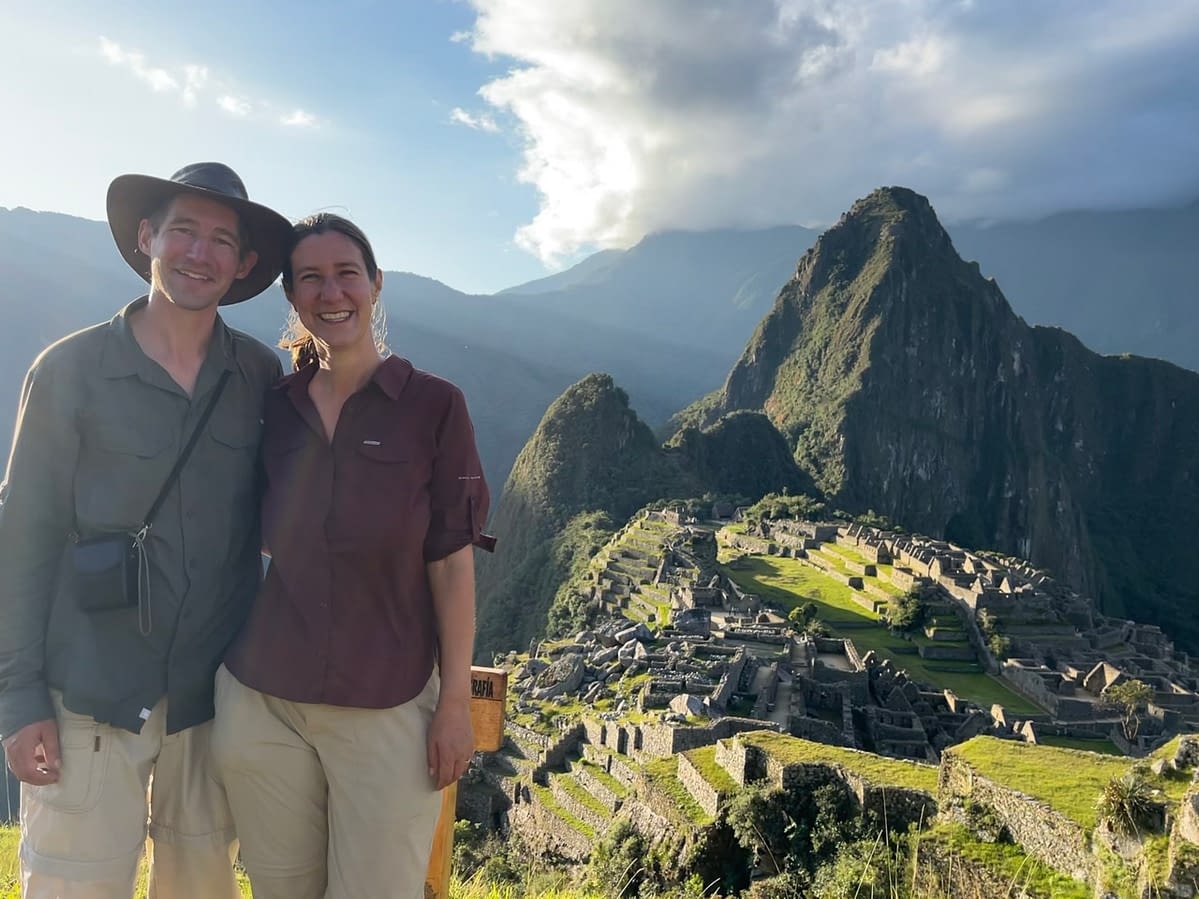
Why go: If you ask anyone what to do in Peru, the #1 thing to do will be see Machu Picchu, the best example of Incan architecture today. It’s also in a stunning natural setting, with the Andes mountains all around. We did the traditional Inca Trail in 5D/4N, which we’d highly recommend. The trail itself is amazing. We also hiked to the top of Wayna Picchu, which has lovely views over Machu Picchu and the mountains.
How to get there:
You have several options of how to get to the site, which is a major part of your experience.
Train: If you are not up for a serious high-altitude hike with major mountains (those Andes are very very steep!), then the train is your best option. You can buy tickets yourself through Peru Rail. They also explain how to buy tickets for Machu Picchu on this website, which you can also do yourself. Again, I strongly recommend you book your Machu Picchu tickets and how you get there as soon as you buy your plane tickets!
Hike the traditional Inca trail: This is the original way the Incans themselves would have walked from Cuzco to Machu Picchu. It has many archeological sites along the way, and spectacular views too. We went with Alpaca Expeditions, which we’d highly recommend. Even the food was fantastic! They take good care of their workers as well! We chose to do the 5D/4N trip instead of the classic 4D/3N one for many reasons:
- We take our time. While we were one of the fastest hikers in our 5D/4N group, we could take a million photos and stop for all the views because there were people in our group who were also taking their time. If we’d been in a faster group, we would have felt like we needed to keep up. We don’t like feeling rushed when the whole point is the journey!
- Since the vast majority of all the different groups are doing 4D/3N, they’re all on the same schedule sleeping in the same places. That meant that very few other groups were at the same places as us! We had such a calm, quiet time on the trails. We often didn’t see anyone else besides our own group. No other groups were sleeping anywhere near us or eating meals at the same places. Other people had much more crowded experiences doing the same hike at the same time!
- You arrive at Machu Picchu in the late afternoon, when it is really peaceful and generally very clear. You get a beautiful quiet sunset view pretty much alone! Then the next morning, you wake up for sunrise and can explore again, probably while the mist rises slowly for Machu Picchu to emerge again. You can enjoy that day even more because you’ve showered and slept in a comfy hotel bed the night before!
- The people in your group are likely to be either older or younger or both, which for us was more fun than a bunch of 20-year-olds hiking as fast as possible. We had a fantastic group who we’ve stayed in touch with and seen again!
Alternative hikes: If you want to spend less money or haven’t planned enough ahead of time, there are many other hikes of different lengths and difficulties as well. We loved Alpaca Expeditions and would definitely trust them with other options.
Whatever you choose to do, whichever is best for your budget and fitness levels- definitely go see Machu Picchu somehow!
Surprisingly great, logistically necessary Lima
Why go: If you go to Peru, you will need to fly into Lima. I was expecting to be there only for logistical reasons, but we were very pleasantly surprised.
I wished we had spent more time here. On your list of what to do in Peru, I’d definitely save at least 24 hours for Lima except on the shortest trip.
Lima has a beautiful old colonial city center that’s very pedestrian-friendly, safe and clean. It has fantastic museums and truly world-class food.
Things to do:
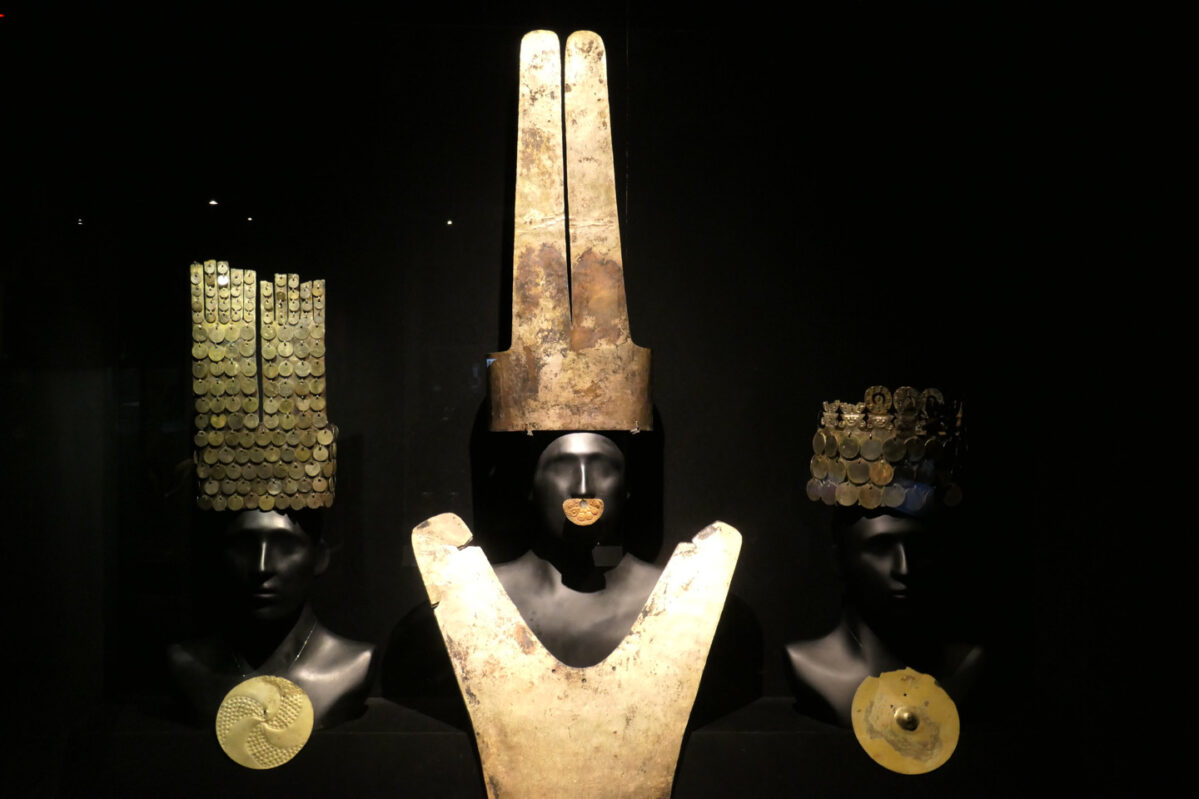
- Larco Museum: This is a fantastic look at pre-Colombian civilizations and worldview, housed in a beautiful building with a gorgeous restaurant and garden. You can spend a leisurely half day here- and I’d definitely include lunch!
- Presidential Palace changing of the guards (noon) and main squares: Walk around the old colonial city center and admire the beautiful architecture
- San Francisco convent and catacombs: Go on a guided tour to see the architecture and history
- Huaca Pucllana archeological site and restaurant: Explore the archeological ruins of another pre-Colombian civilization here, and then eat a fantastic Peruvian dinner with a view overlooking the site. It’s lit up beautifully at night!
- Eat at one of the best restaurants in the world! Many of the alleged “Top 50” restaurants are here in Lima- with many ingredients and flavors you might not have had before, and far more affordably than a fancy meal in Europe or North America. ¡Buen provecho!
Paracas National Reserve
Why go: Ok, on your list of what to do in Peru, this would be less of a priority unless you’ve never seen desert landscapes, are an eager birdwatcher, or are taking the bus from Lima to Cuzco (Peru Hop- highly recommended).
We were taking our time and traveling with Peru Hop, so for us, this was an enjoyable way to break up the long bus rides.
Things to do:
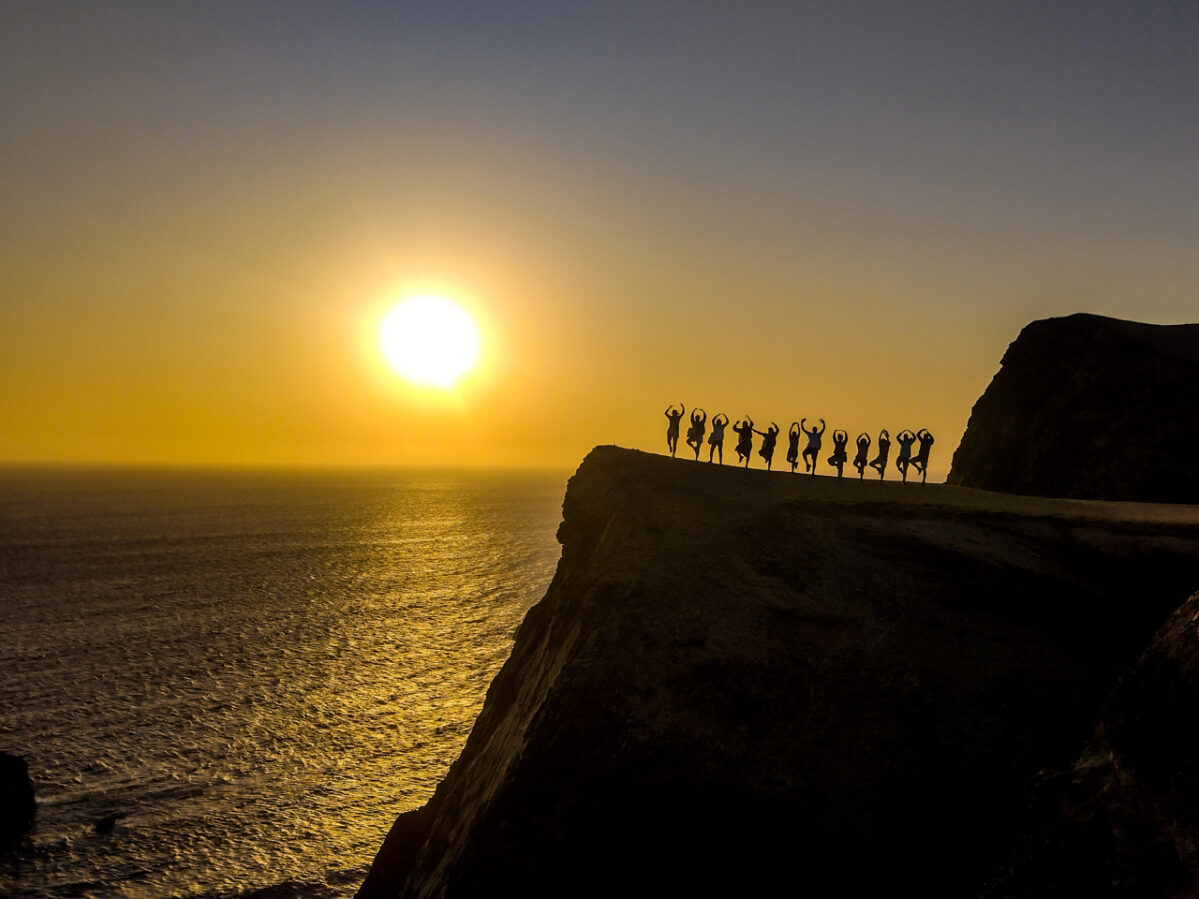
- The Golden Shadows hike, where the sun was perfectly positioned to light up the coastal desert landscape for gorgeous views and photos.
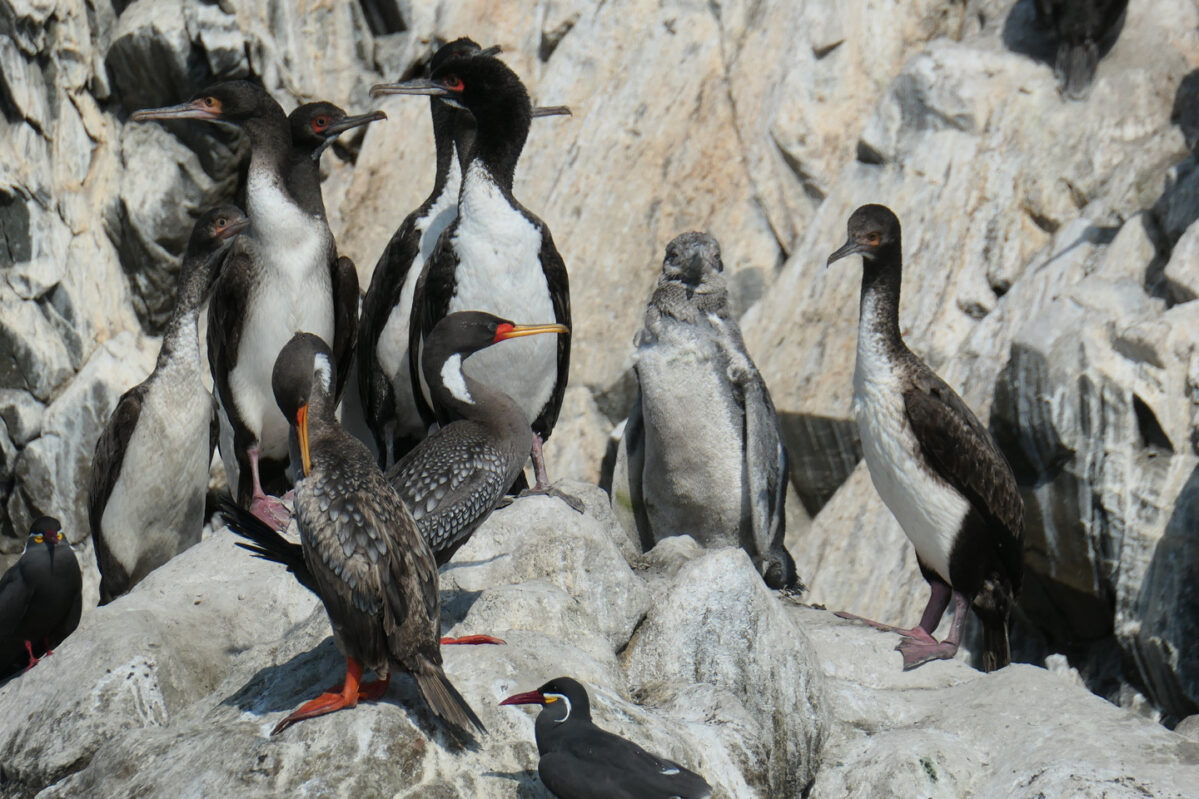
- Boat trip to the “Poor Man’s Galapagos”, where we saw thousands of seabirds, including 3 Humboldt penguins! There were lots of new species for us, like Inca terns and Peruvian boobies, as well as sea lions.
Huacachina Sand Dunes
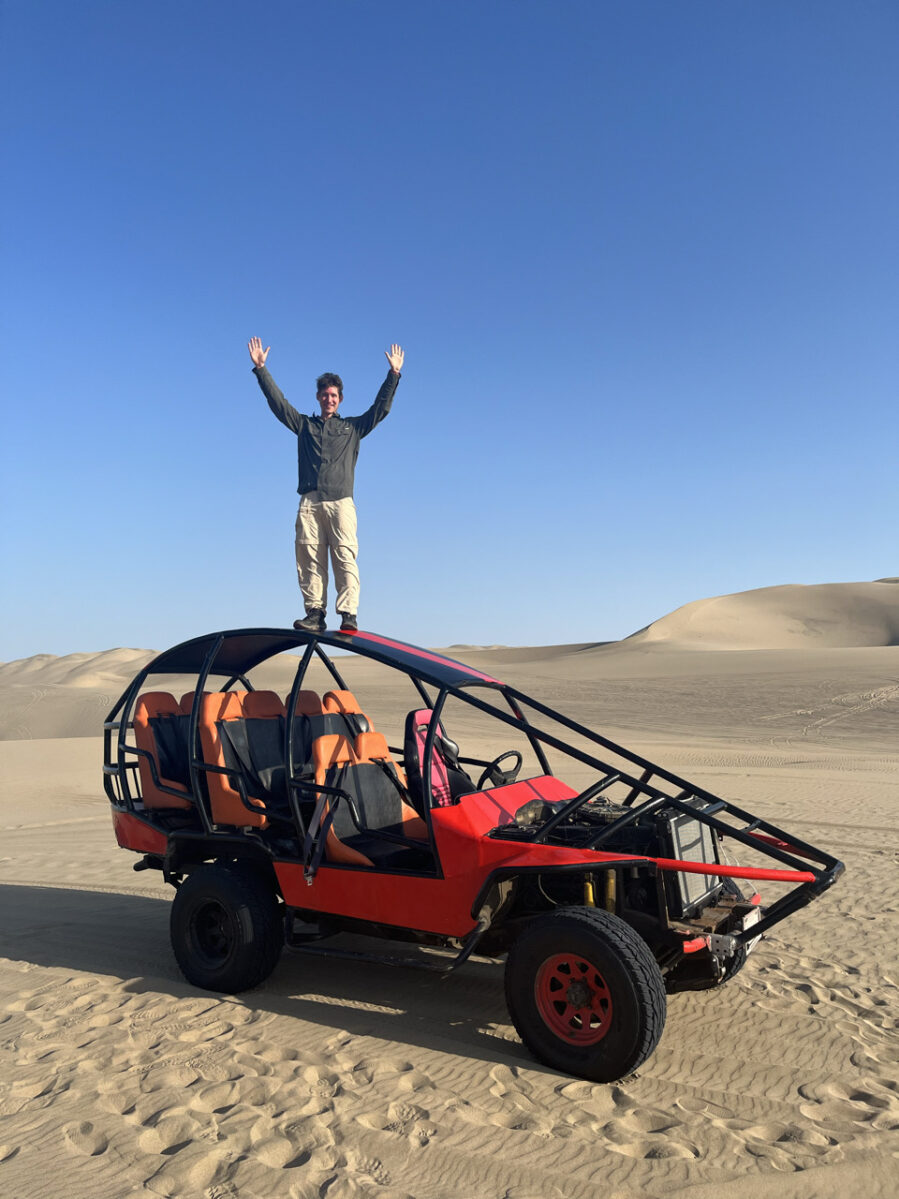
Why go: This is an exhilarating experience on your overland route from Lima to Cuzco if you don’t have back or neck problems! If you’re wondering what to do in Peru and you love extreme sports, this is a fun roller coaster ride!
Things to do:
- The only thing to do in this small oasis surrounded by sand dunes is go sand boarding and ride in the dune buggies! The drivers whisk you at very high speeds up and over the sand dunes. You are strapped in tightly with the special seat belts like a roller coaster- and you need them! We bounced and flew up and down again and again, getting to the top of sand dunes. At the top, if you knew how to snow board, you could sand board down. We don’t, so they recommended going face first on your stomach!
I thought I’d get a face full of sand- but instead, I got a thrilling and smooth glide downhill- fast! It was awesome! We got to go to the top of 4 different sand dunes and sand board down.
Again, they made sure we had a gorgeous view for sunset over the sand dunes!
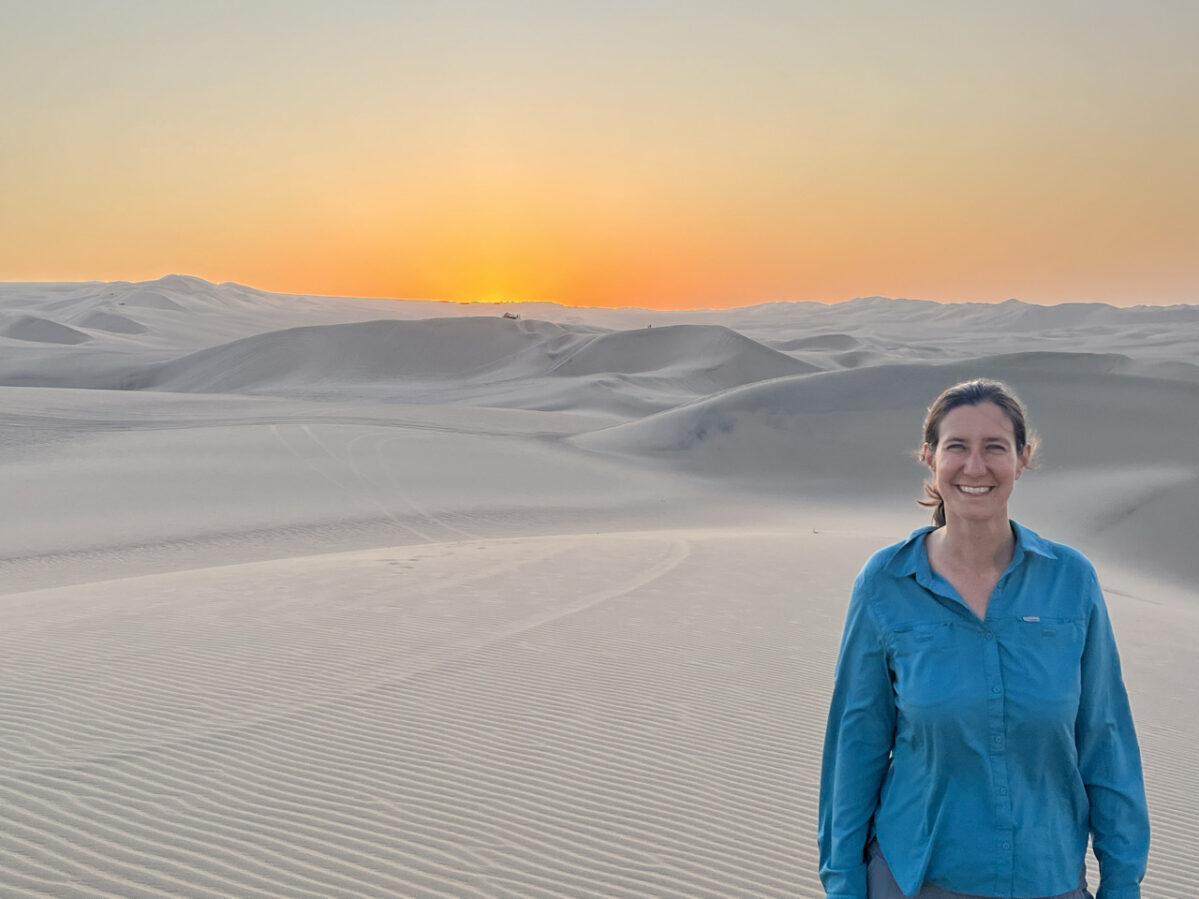
- Eat a delicious vegan Peruvian dinner at Qunto, which we’d recommend. The crowd at Huacachina was younger and more into partying than everywhere else we went to in Peru, as it really is a stop only for this adventure sport.
- If you want to sleep, sleep slightly outside of town away from the late-night dance parties. If you want to party, stay in town!
If bouncing around violently in this sort of buggy and sandboarding down doesn’t appeal, skip this town as that is truly the only activity!
Nazca
Why go: See the incredible Nazca lines. If you are going to Lima, Arequipa, and Cuzco, you should definitely stop in Nazca.
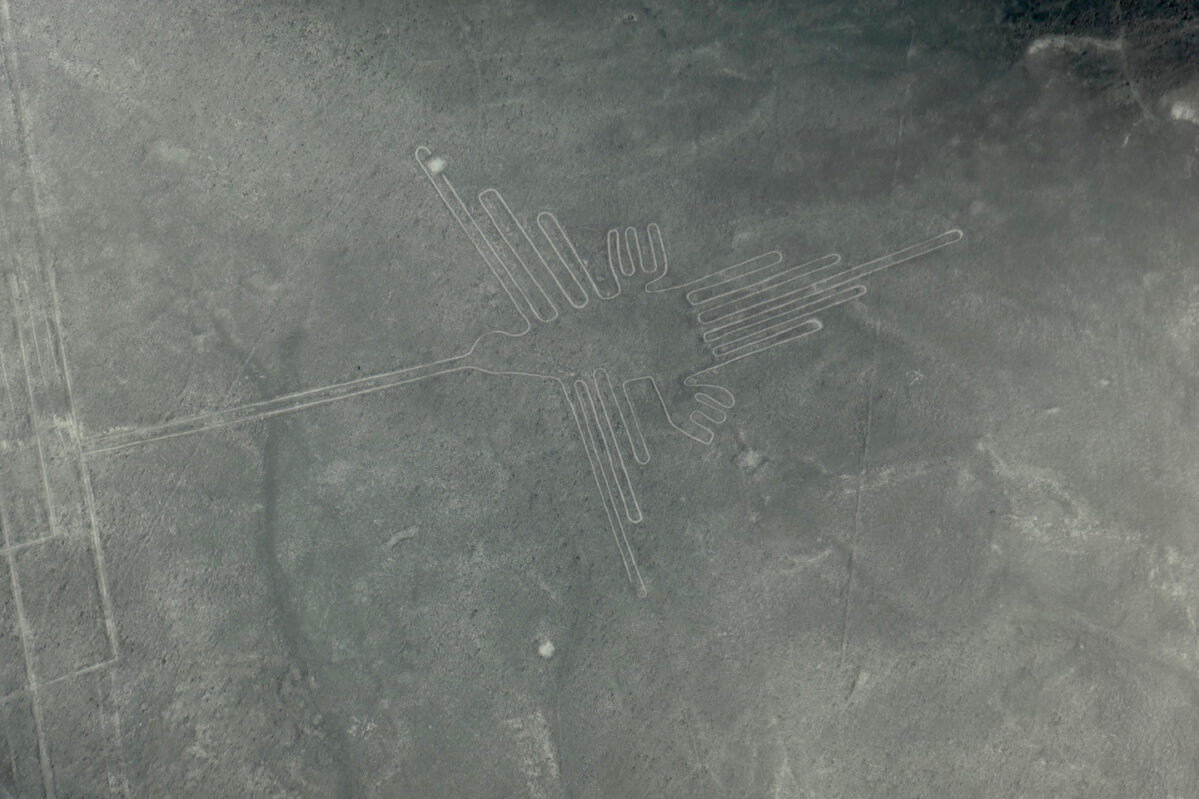
When you are thinking about what to do in Peru, you’ve probably thought about seeing the Nazca lines. You should. They’re absolutely unbelievable.
A mysterious civilization from about 500 B.C.E. to about 500 C.E. created these stunning, enormous figures in the desert that can only be appreciated from far above…which they couldn’t have done back then!
Things to do:
- See 3 from a tower next to the highway with Peru Hop (including a lizard that the highway was allowed to cut through!!!), but to really get a sense of the scale and beauty, you need to go on a flight.
- Take a flight over the Nazca lines to see many of them from above! This is not something for everyone: they are 6 person planes, and both sides get a good view of each design- so the plane is constantly swerving from side to side. They have barf bags by each seat. I never get motion sickness, and even I did on this 30 minute plane ride! We heard others vomiting.
If you accept the motion-sickness risk, the flight is awesome. You get to see so many different Nazca lines, and can really see the scale and quatity.
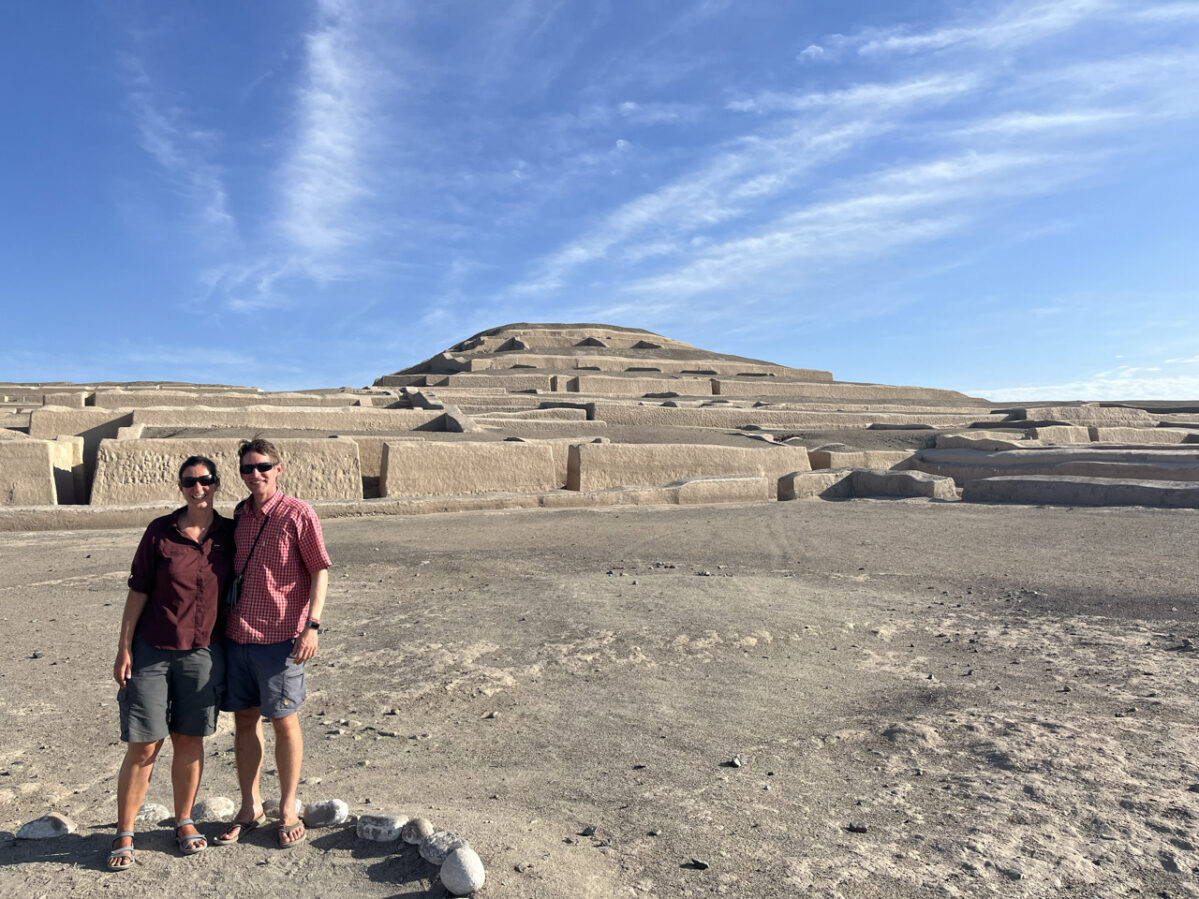
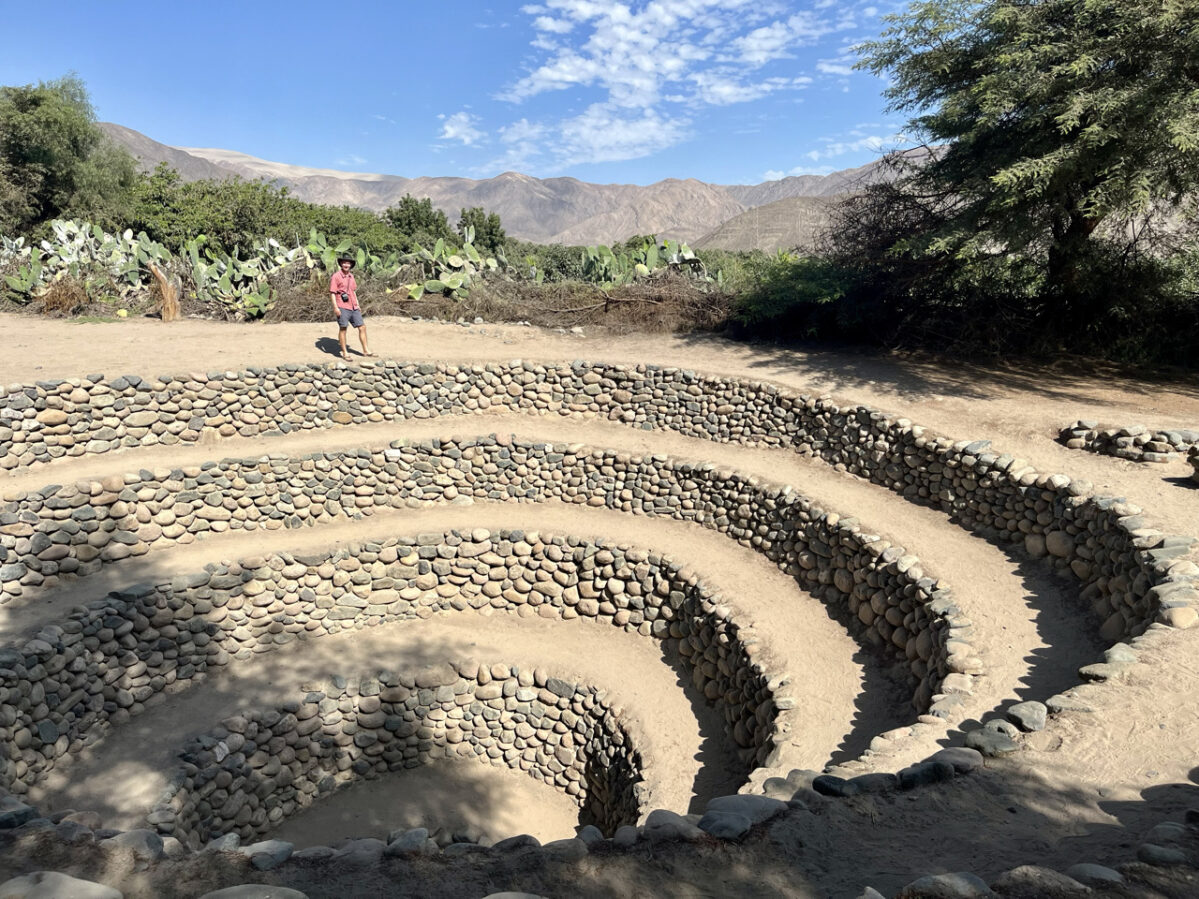
- Tour an archeological site that included a Nazca temple complex and their incredible water reservoir system, getting to learn as much as is currently known about this remarkable civilization.
- Go to a local workshop, getting to see how people today use ancient symbols and techniques with modern technology to make beautiful jewelry.
If you’re taking the bus from Lima to Arequipa anyway, stopping at Nazca is a way to learn about another pre-Colombian civilization that created these mysterious pictures in the sand that are still so stunning today.
Arequipa
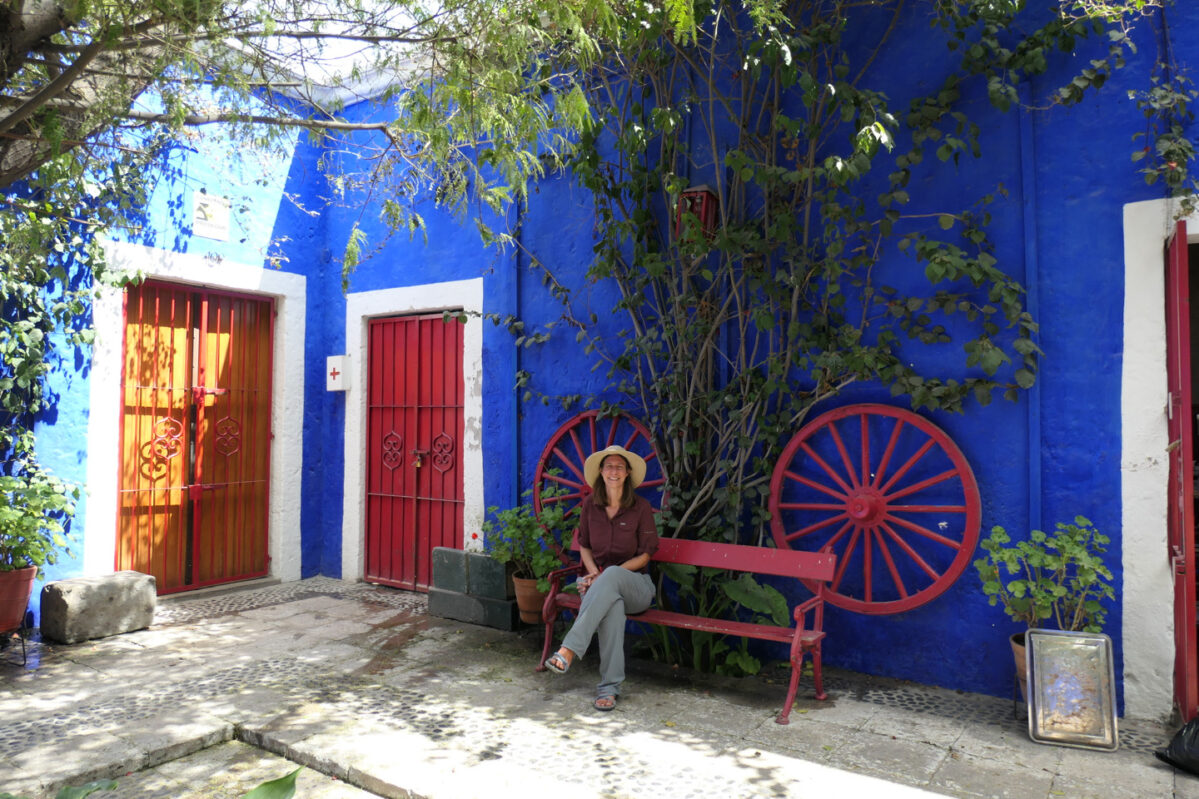
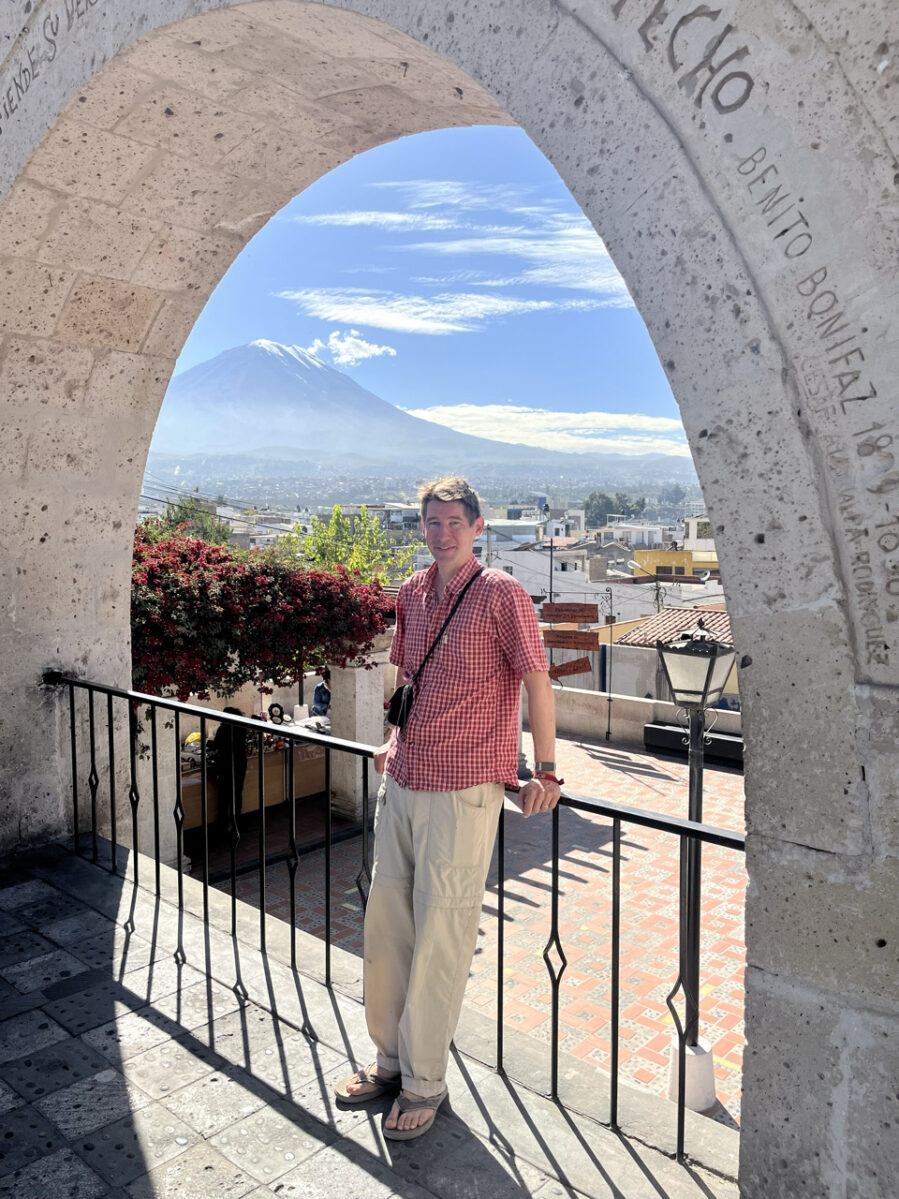
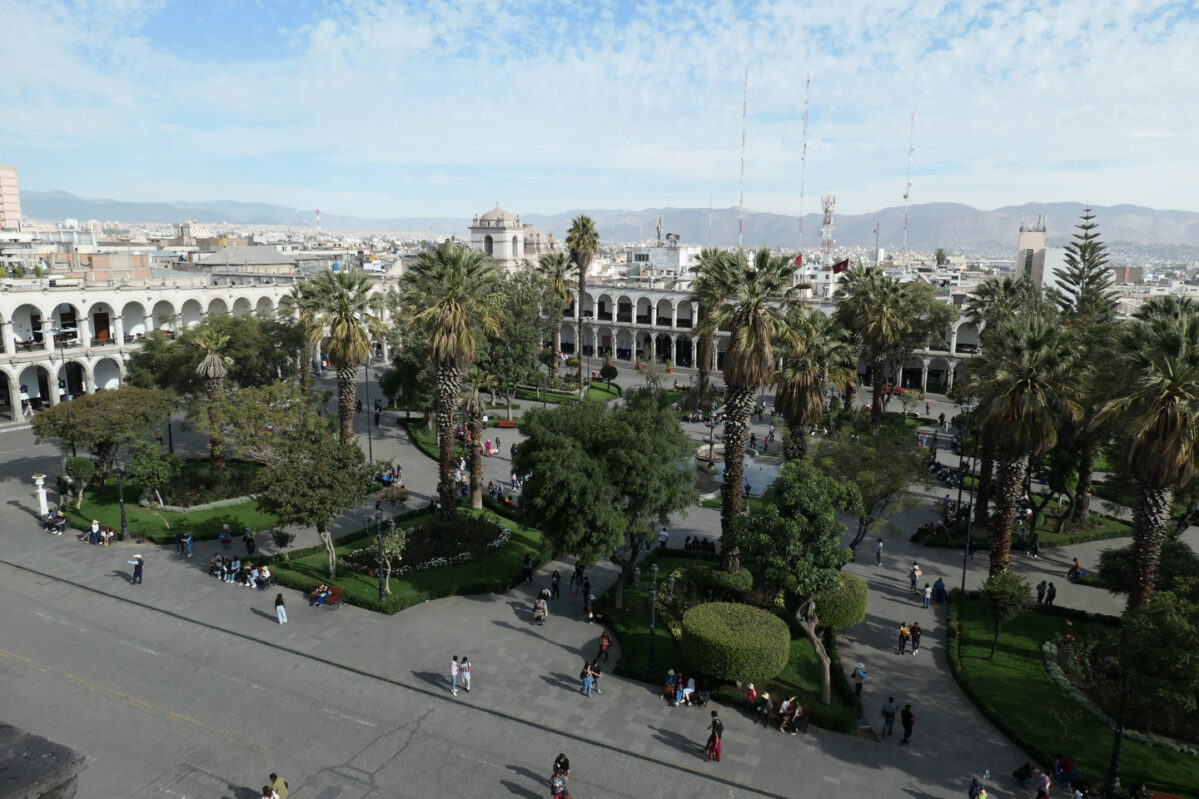
Why go: Arequipa is Peru’s second largest city, and like Lima and Cuzco, it has incredible food, excellent museums, and a beautiful old colonial center. You can take Spanish classes, cooking classes, wander around lovely neighborhoods, and sleep cheaply and well. You can also go on a major hiking trip to the Colca canyon from here (see below), or see it as a driving day trip.
Things to do:
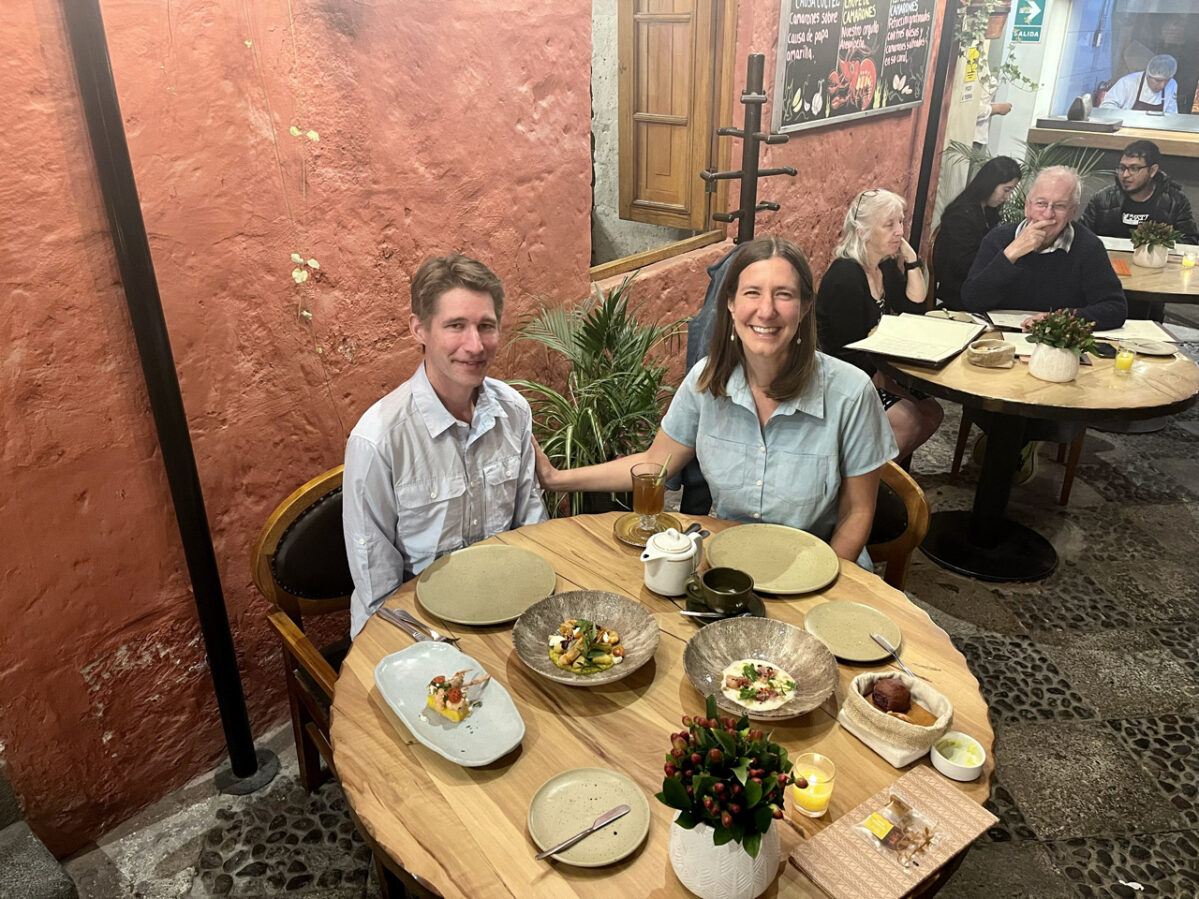
- Eat! We had one of the best meals of our lives here at Chicha. We didn’t try their restaurant in Cuzco, but we can say the 10 dishes and 3 desserts we had in Arequipa were incredible- so many new flavors, unique combinations, traditional Peruvian ingredients in outstanding creations!
- We’d also recommend ZigZag restaurant, excellent meat of all sorts, including alpaca!
- Museo Santuarios Andinos is a fascinating museum that has the body of a girl sacrificed on a nearby mountain 500 years ago- and very well done explanations of the culture surrounding her and the objects found buried with her.
- Monasterio de Santa Catalina is perhaps the most photogenic of all the beautiful nunneries you’ll see around former Spanish colonies and Spain- places rich families put their daughters, never to leave again. Lots to learn in a stunning setting!
- Walk around the old town! You could do a walking tour, like this walking tour we did here. Or you could stroll along on your own. Either way, it’s a beautiful city!
Colca Canyon
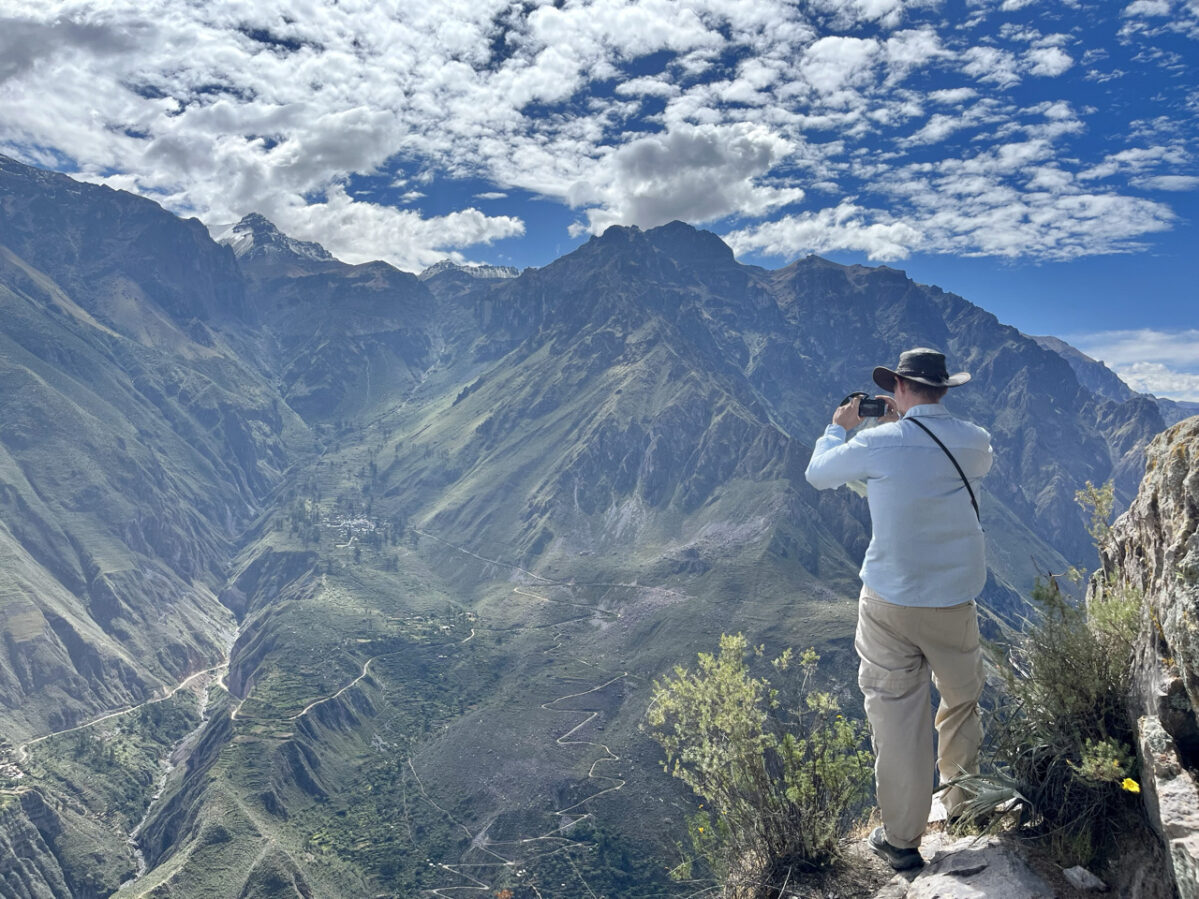
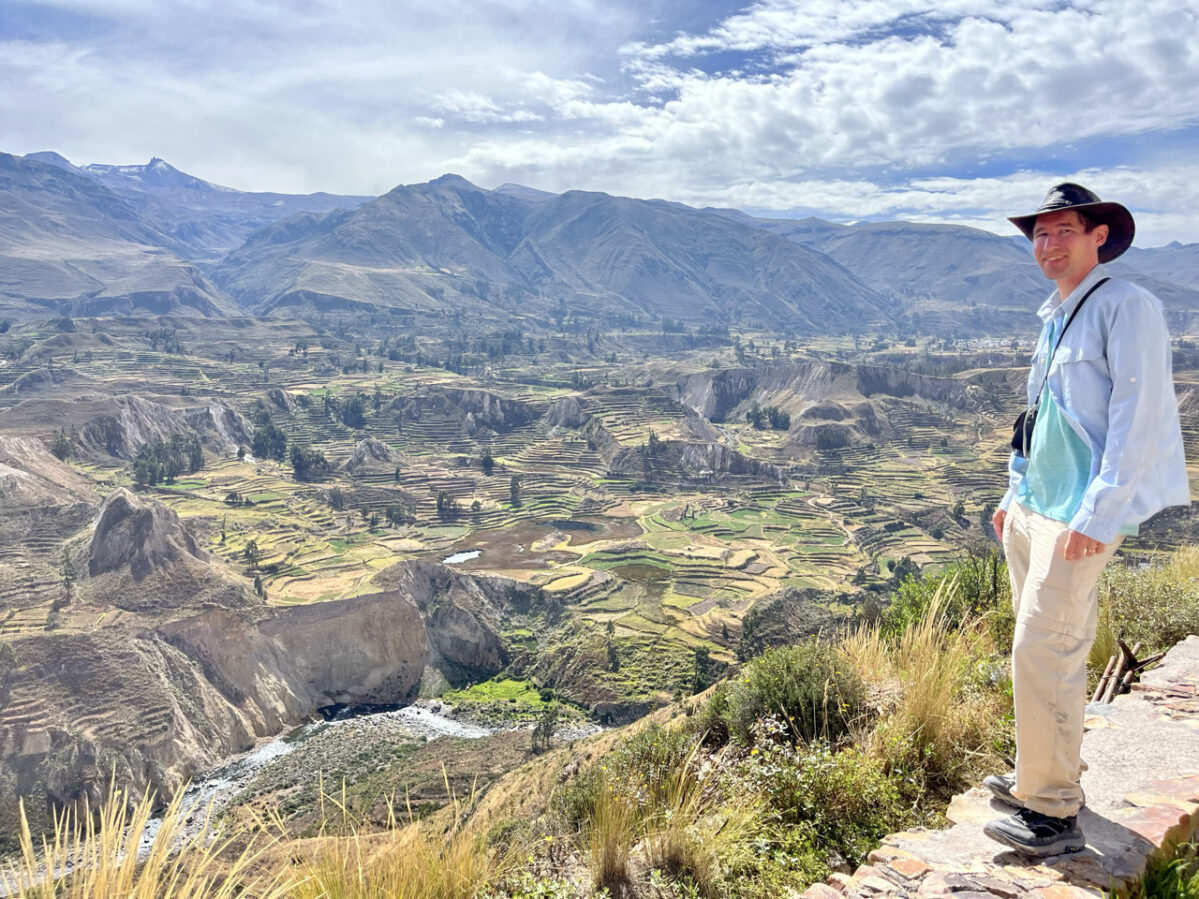
Why go: See condors soar above the 2nd deepest canyon in the world! Beautiful landscapes in every direction!
Things to do:
There are three ways to experience the canyon:
- One day driving tour: Spend 15 hours in the car to see the canyon and sights along the way
- Two day intense hiking tour: Hike down 1700m and back up 1700m the next day! This means both days you wake up before dawn and have long days full of steep, high-altitude hikes.
- Three day hiking down and back up, with a leisurely day in the middle (same sights as the 2 day trip but at a more relaxed pace). Day 1 you hike down 1700m, day 2 you sleep in to a normal time and only hike a mostly flat path and arrive in the early afternoon at a nice hotel with a pool and view, and day 3 you wake up before dawn and hike up 1300m.
We did the three day tour, as we had plenty of time and we love stopping to take photos and admire the view. If you’re short on time, you could see the same things in two intense days. If you don’t mind lots of time in a car, and aren’t up for a seriously steep hike, do the one day scenic drive.
This hike is at high altitude the entire time, and involves an intense elevation change, so if steep stairs is not easy for you, this is not a good choice.
Unfortunately, there is no way to see the Colca Canyon without waking up extremely early- all 3 versions of the group tours leave before 4am for the 4 hour drive from Arequipa. I don’t think it matters which tour group you go with- they combine people as needed anyway!
What to do in South America: Lake Titicaca- Peru and Bolivia
Why go: If you’re taking the bus from Peru to Bolivia, for sure stop for at least 24 hours to experience this gorgeous scenery and remote way of life. More time? Relax and enjoy the nature, archeology, and culture!
What to do:
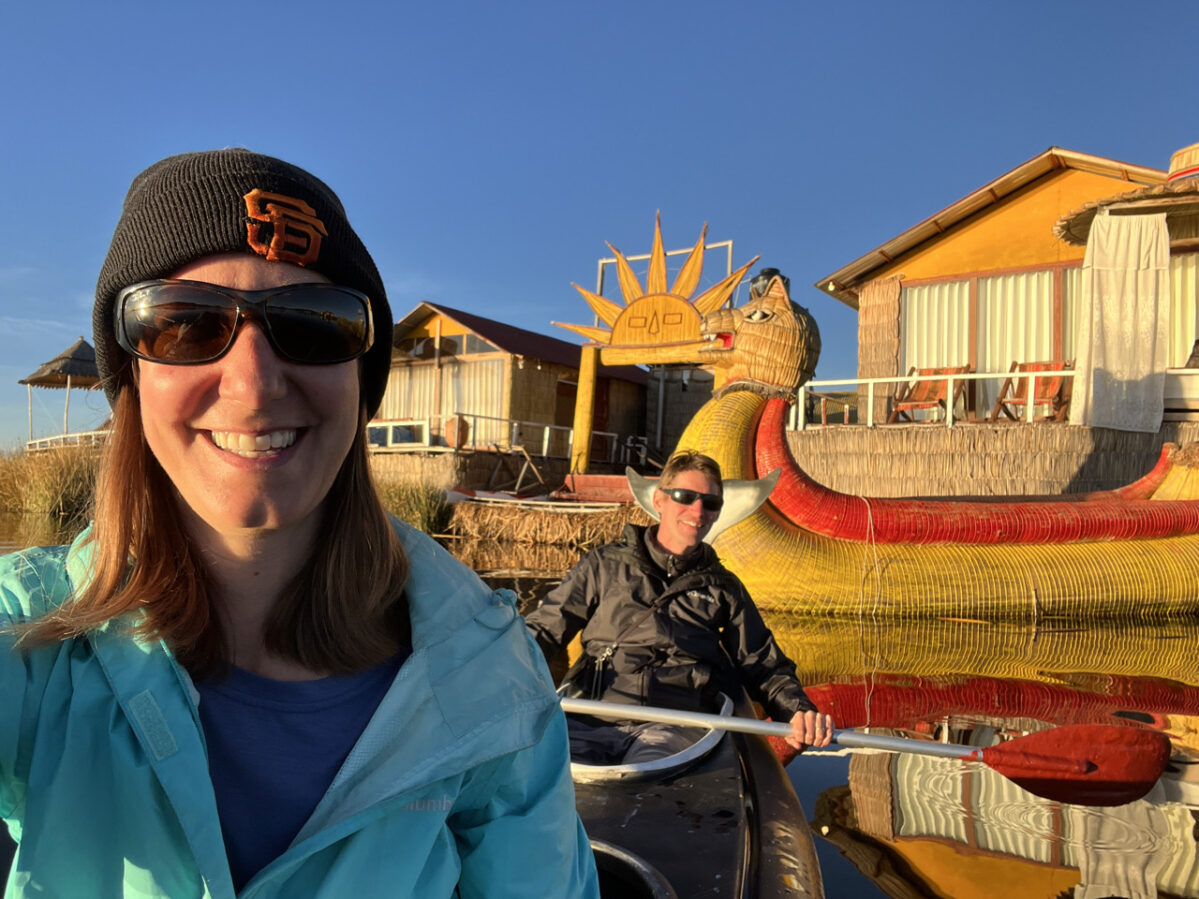
- Spend at least 1 night on the lake if possible. Spend one night on a floating island in Uros if one night is all you have- it’s close to Puno. We LOVED our stay at Titicaca Jaltawi Lodge! Wonderful host family, gorgeous private space, free kayaks, delicious meals, and a quick private boat ride from Puno.
- If time, spend another night on the solid island of Amantani at Inca Lodge with this kind host family, again with your own private space and delicious food!
- If more time, spend a night in Copacabana at Las Olas, and spend a day hiking around Isla del Sol. Las Olas is a remarkably whimsical, enjoyable treat of a hotel, where we splurged on a hot tub and gorgeous views- a real vacation spot!
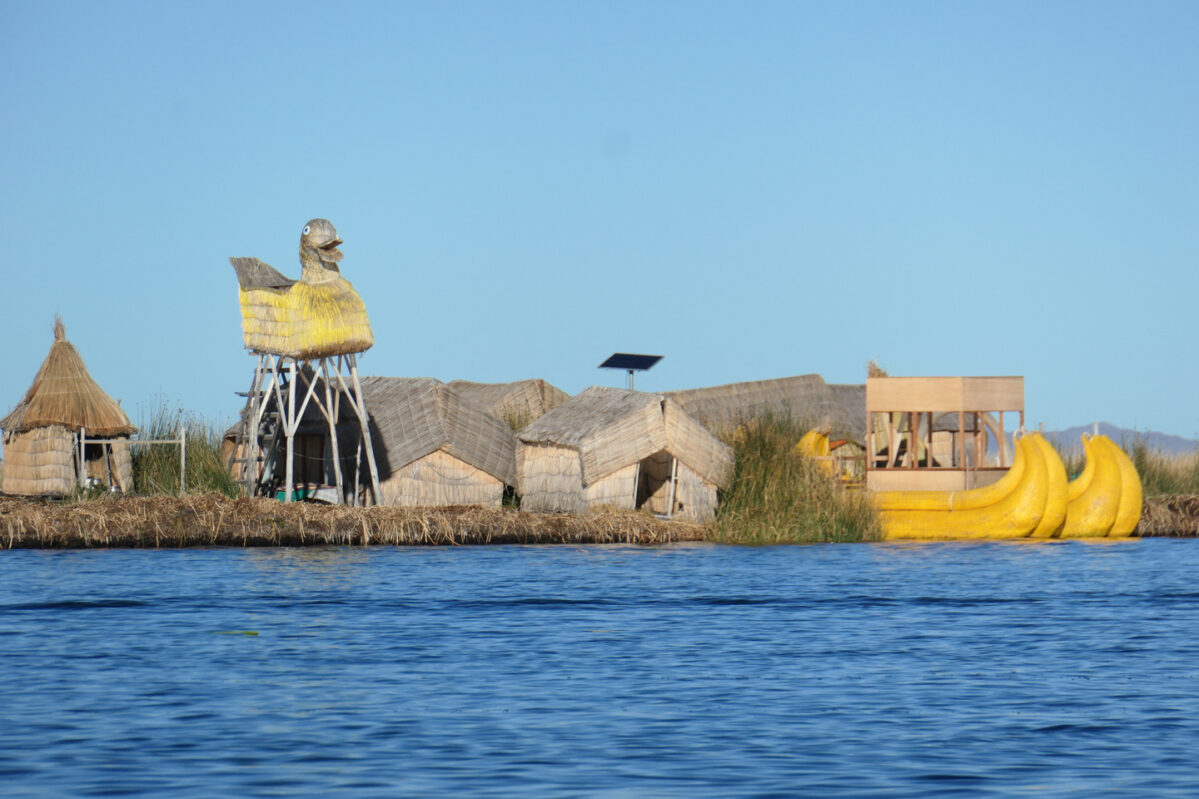
Logistics: Lake Titicaca is on the border of Peru and Bolivia. If you cross into the Bolivian side, I’d highly recommend using Peru Hop to help you, and reading the requirements for what you need for a Bolivian visa as soon as you decide to go.
For Americans when I was there (May/June 2023), it was a stressful and complicated process. Luckily, as of this writing (April 2026), it looks like it is quite straightforward! But please double check at the American Embassy in Bolivia first!
For everyone who isn’t American, it was extremely easy and quick- but it is still really helpful to have Peru Hop there just in case!
What to do in South America: Bolivia
Unless you have more than three weeks, I’d only go to the Salt Flats and spend the rest of the time in Peru.
But if you have longer, then here are more suggestions that we enjoyed!
Must-Do: The Bolivian Salt Flats
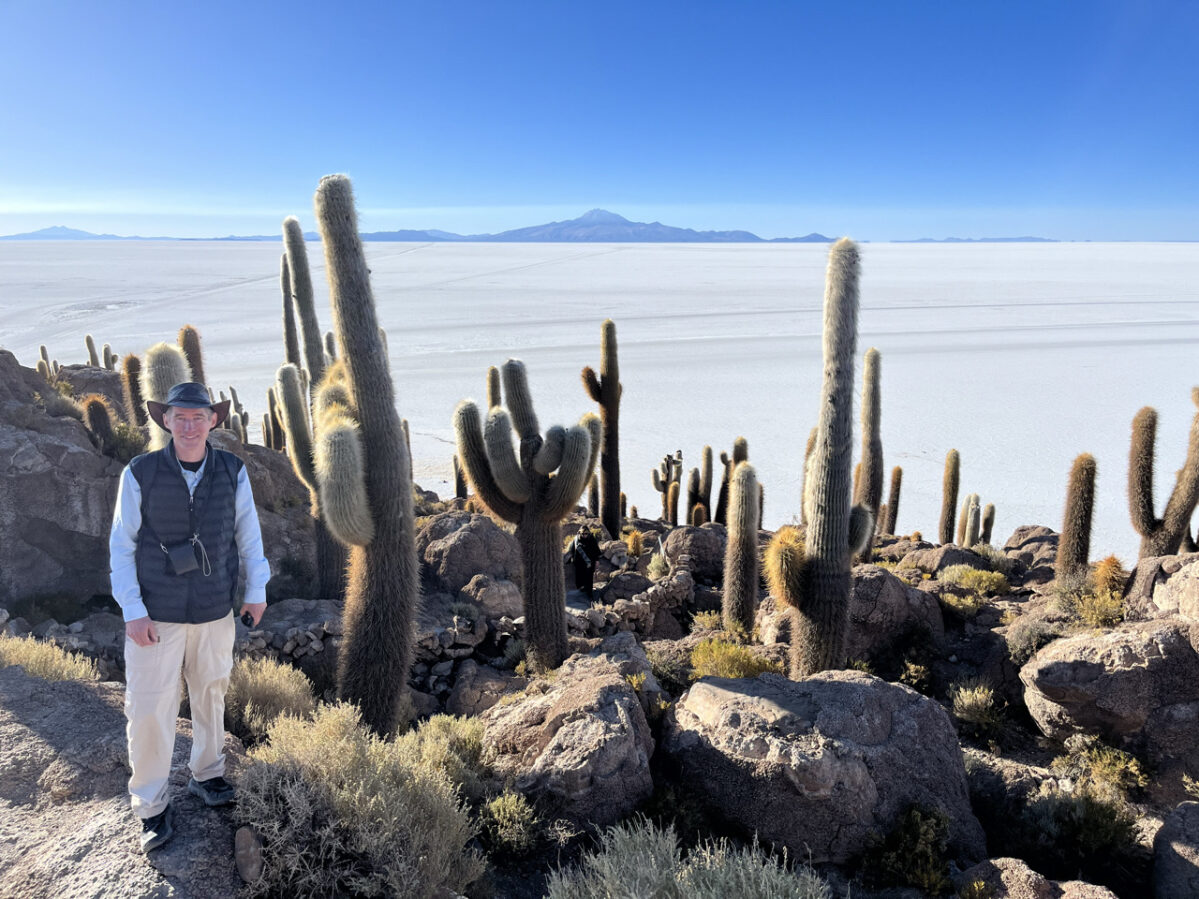
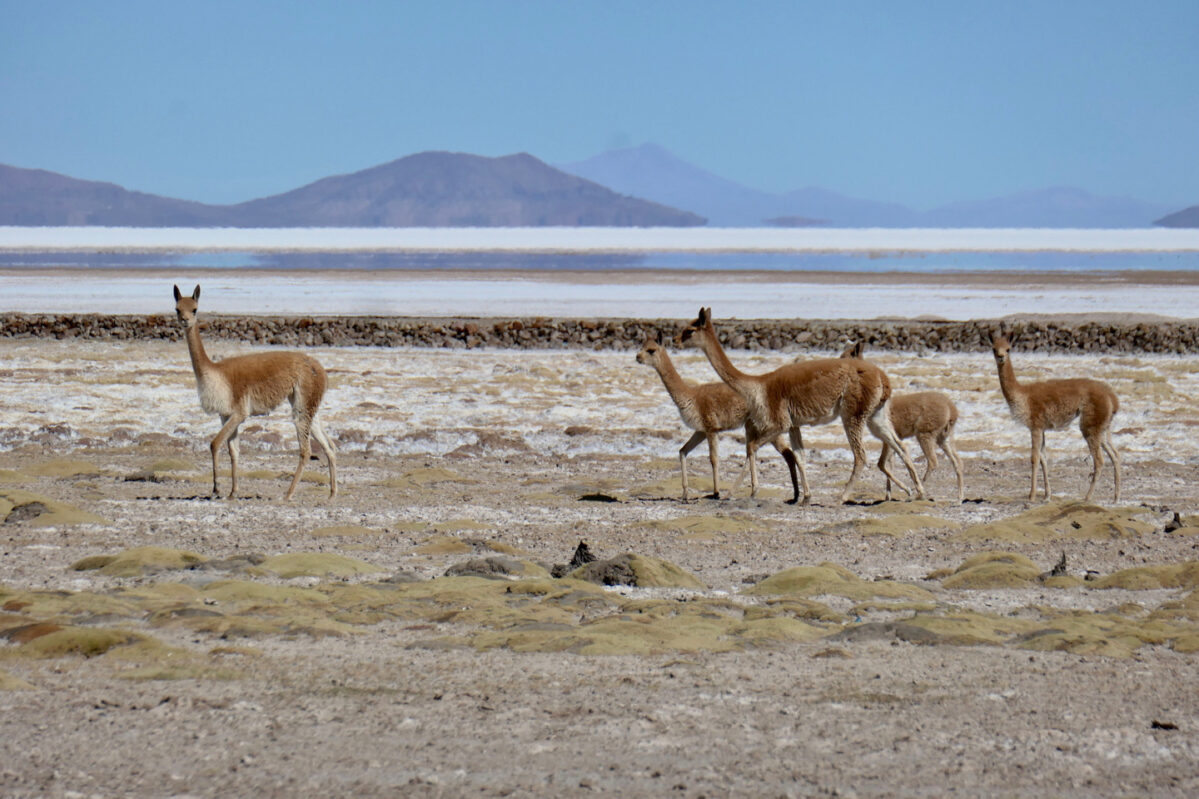
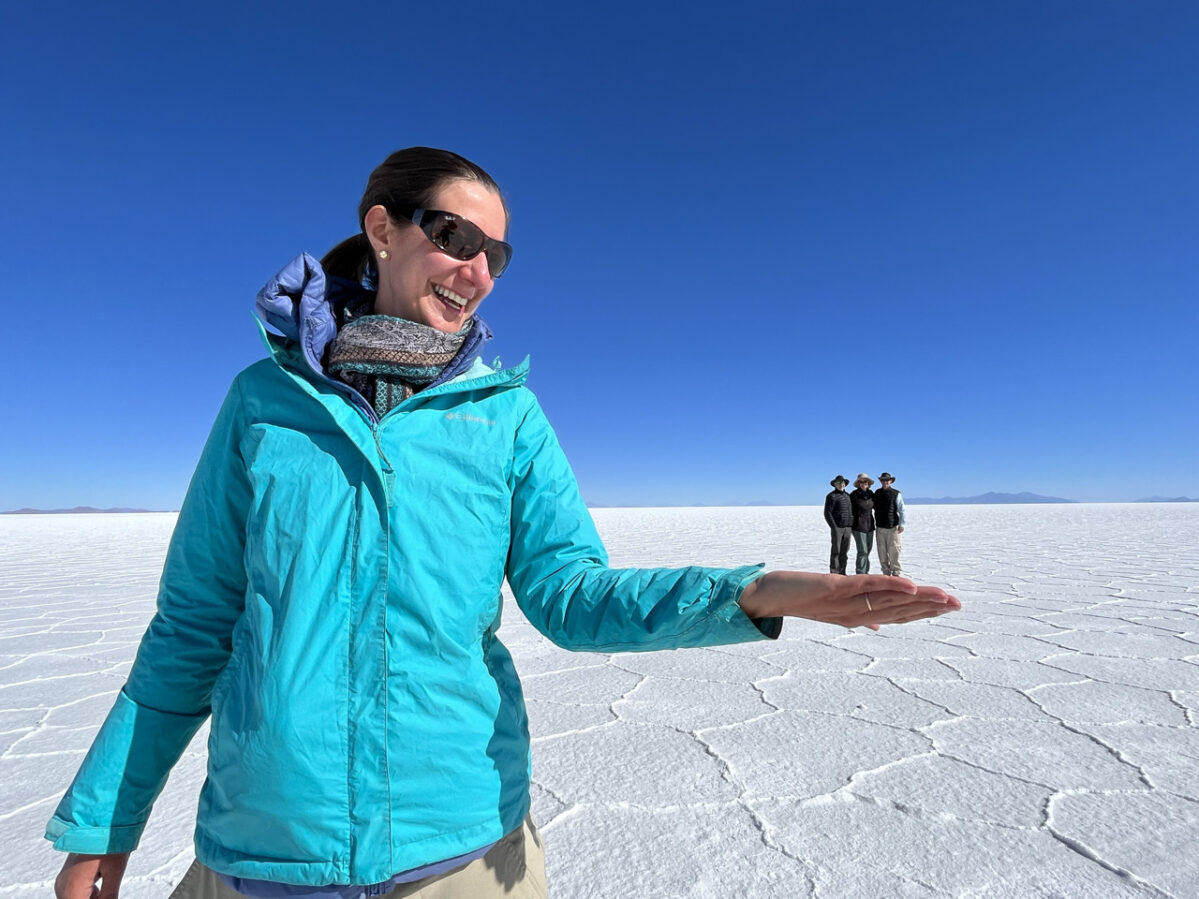
Why go: These are the most incredible salt flats in the world. They are clearly visible from space, and are 100x bigger than the other famous ones in Utah, USA. There are also high-altitude lakes with flamingos, “islands” covered in cactus and rainbow colors, and a chance for mirror-like reflections if there’s water present. The landscape is unlike anywhere else on Earth. Truly one of the wonders of the natural world!
Things to do: You can do anywhere from a half day trip to a 4 day excursion and everything in between.
We had plenty of time, so we did the full four days with Andes Salt Expeditions. They were fantastic, and I’d highly recommend going with them for as long as you have time for!
We did the “medium” level, which was basic but safe and with fantastic guides and incredible experiences with my parents. If you don’t mind sharing hostel-like rooms, you could do the most basic level. If you want fancier hotels, you’d need to pay the superior price.
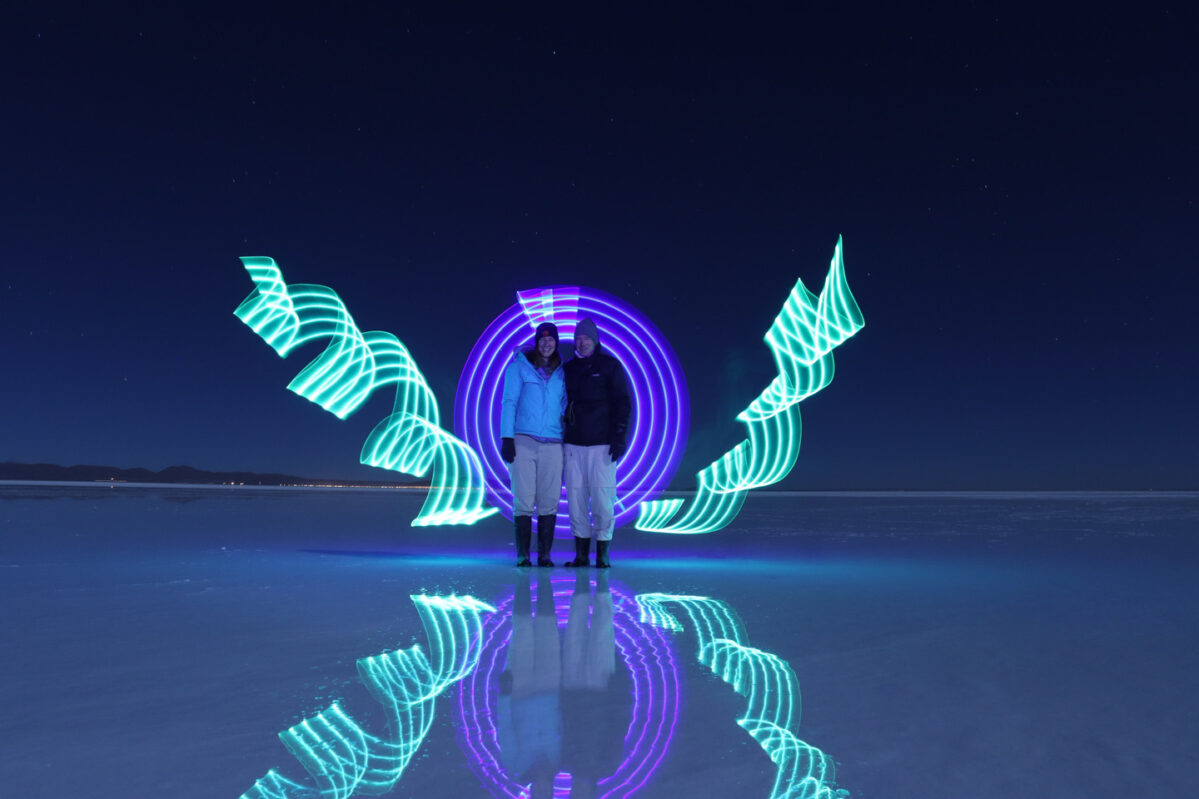
With four days, we got to see crazy colors of lagoons full of flamingos, islands covered in cactuses, archeological sites, rainbow-colored mountains, and incredible sunrises, sunsets, and moonrises over the salt flats- and they even found the mirror effect for us in June!
They prepared excellent food for us, the car was comfortable, the guide was great- and they knew how to get the funniest and most amazing photos of it all!
Where to stay: Tonito Hotel! This was such a surprise highlight for us! Uyuni is a very small, dusty town, not worth spending time in except on your way to the unbelievably spectacular salt flats. However…this hotel was amazing! The rooms were comfortable and customer service great, but the memorable part was the food! We had the BEST pizza of our lives here for dinner! And the breakfast had homemade fantastic bagels and the best breakfast spread! I wanted to stay another night just for another dinner and breakfast. Highly recommend!
Logistics:
All the salt flat tours leave from Uyuni. Uyuni is not easy to get to. You have a few options:
- Fly: By far the easiest logistically is to fly from La Paz. There are no direct flights from anywhere else. If you are only going to the Salt Flats in Bolivia- which is the only must-see destination, I’d just fly.
- Bus or bus + train: You can take a local or tourist bus from La Paz to Uyuni, but it will transfer, it will go overnight, the roads are terrible, there may or may not be a working bathroom, there will be no heating…it will not be comfortable or easy. I can’t recommend this option. For more details, check out this website about all the possibilities.
- Make stops along the way: This is what we did. If you have plenty of time, we went from La Paz to Sucre, spent several days there, then Sucre to Potosí for a couple of nights, and then Potosí to Uyuni. If you’re in no rush, then each drive is only 3-5 hours.
- Ask your accommodation to recommend a taxi, if you’re traveling with even 1 other person- or make friends at your hotel/airbnb/hostel- it’s probably worth the cost. For example, we were traveling with my parents. For the 4 of us in a private taxi from Potosí to Uyuni, it was 500 bolivianos, or about $72 today (April 2026).
- Use the tour to get to your next destination: If you have time, the longer salt flats tours can bring you to San Pedro de Atacama after your tour concludes. That brings you into Chile, where there is an airport, another major site (San Pedro de Atacama desert is also an incredible destination), and you can also take a taxi or rent a car to drive into northeastern Argentina (Salta airport and surroundings). You can also arrange a ride from Uyuni to Salta, and fly from Salta to Iguazu, Buenos Aires, or other destinations.
La Paz
We can’t recommend spending any time here. There was a wonderful parade going on while we were there, so that was fantastic, and the gondolas are a fantastic way to get from place to place without traffic and with beautiful views of the mountains all around.
But the city itself was congested, consistently smelled like beer and urine, and there were groups of men loitering about all over the place. It wasn’t a comfortable atmosphere in any neighborhood we were in, even though we only wandered around in broad daylight.
However, we did have a delicious meal at Gustu, exceptional Bolivian food. We enjoyed the Ethnography Museum. We went on a tour of El Alto, which was unique but really not essential unless you have a lot of time. There, we enjoyed gorgeous murals by the Bolivian artist Manami, but it was quite a long journey from the city center. Instead, I’d suggest some of his smaller pieces at this art gallery.
Sucre
Why go: Unlike La Paz, Sucre is beautiful. Unfortunately, it has no pedestrian-only streets, so the traffic and noise from cars is unpleasant, but otherwise, it is a gorgeous town with some excellent food, good museums, and cultural activities. It’s a pleasant stopover if you’re traveling overland from La Paz to the Salt Flats.
Things to do:
- Liberty Museum– excellent stories explaining Bolivia’s history- with the heroes all over the walls half women! Guided tours are easily arranged on arrival and recommended!
- Indigenous Art Museum– beautiful weaving and other traditional textile art that this museum helps keep alive!
- Church of San Felipe Neri– stunning views over all of Sucre
- Treasure Museum– lots of beautiful gold, silver, and unique gemstones only found in Bolivia, as well as descriptions of how these treasures have been extracted and used from pre-Colombian times to today.
Where to eat:
- Bienmesabe– delicious Venezuelan arepas- we went here twice it was so good, varied, and affordable!
- La Taverne– affordable French/Bolivian fusion- we had the set price lunch meal, quite a treat!
- El Patio Salteñeria – the place to get saltenas, the typical food here, in a lovely courtyard setting. Popular!
Where to sleep:
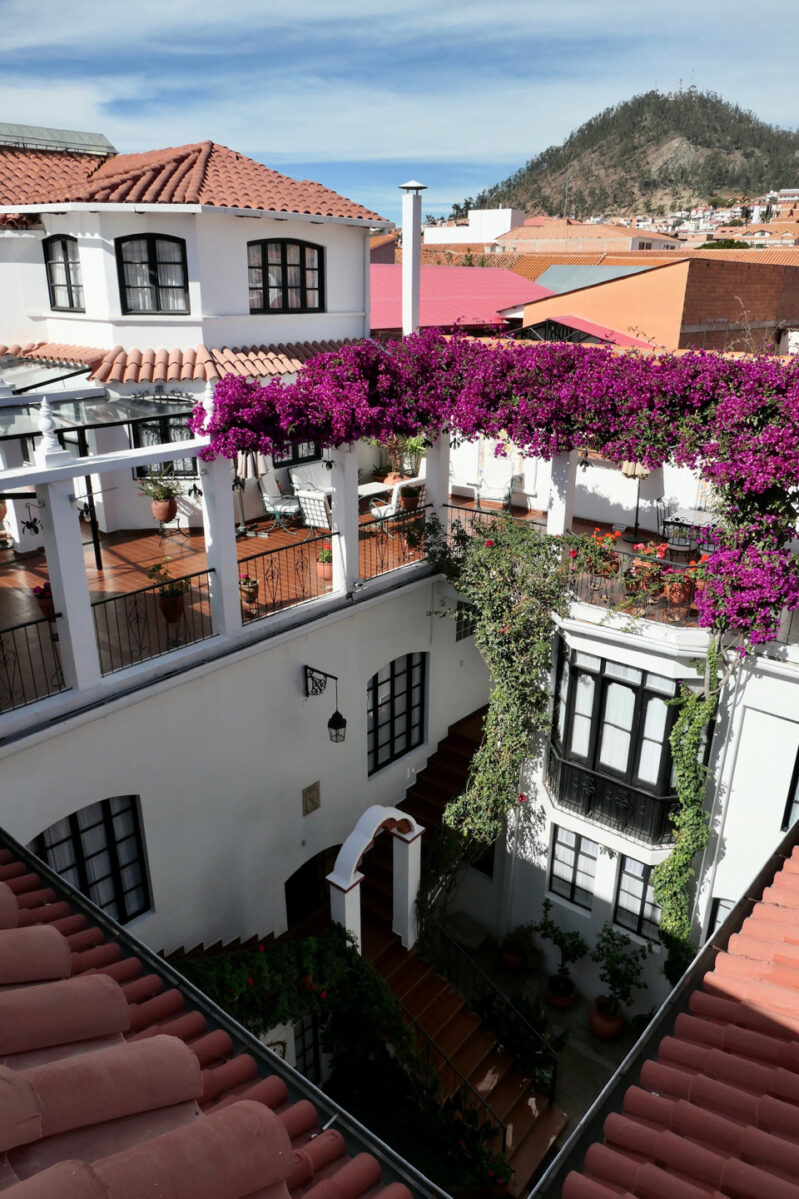
We stayed at El Hotel de Su Merced, as we were with my parents and wanted something a bit nicer than where we normally stay when it’s just the two of us. This is a gorgeous hotel, with a fantastic breakfast (different homemade cakes every day, as well as many delicious and hearty savory options!), beautiful rooftop views, and stunning rooms. It was a short walk to everywhere we wanted to go, and the staff were knowledgeable and helpful- they helped us arrange a taxi to our next stop, Potosí, that was comfortable and competent and affordable!
Potosí
Why go: Potosí is one of the most infamous towns in the world, so I hesitated to put it on my own itinerary and on here. However, it is perhaps the most important site for Bolivia’s history, and one of the most impactful sites in South America, so for historical perspective and cultural understanding, it’s worth going.
From 1545-1825, when the Spanish owned Bolivia, it is estimated that over 8,000,000 indigenous and African slaves were killed in the silver mines here. During that time, the amount of silver mined could have built a bridge from Potosí to Madrid and still have plenty left over. The silver led to inflation in Europe, as Europe had never had so much gold and silver before. The houses in Potosí are enormous and grand, from the people who made money off the horrific conditions.
Today, the mines are still active, and the conditions are still deadly. It’s a cooperative mine now, so all the profits go to the workers, but there isn’t much left after all this time. So the cooperative doesn’t spend money on any safety gear. Miners still get sick and die from the particles and gases in the mines within 10-15 years of starting to work there. Their families get $15 a month once they can no longer work. We didn’t do a mine tour partly because the conditions even for tourists are not considered safe and partly because it would feel so voyeuristic to see such conditions and not be able to do anything to change them.
Our guides on the tours we did do told us the private mining companies in other towns have good safety conditions as they’re international companies and have to adhere to standards, but the cooperative mines can do whatever they all agree to.
Things to do:
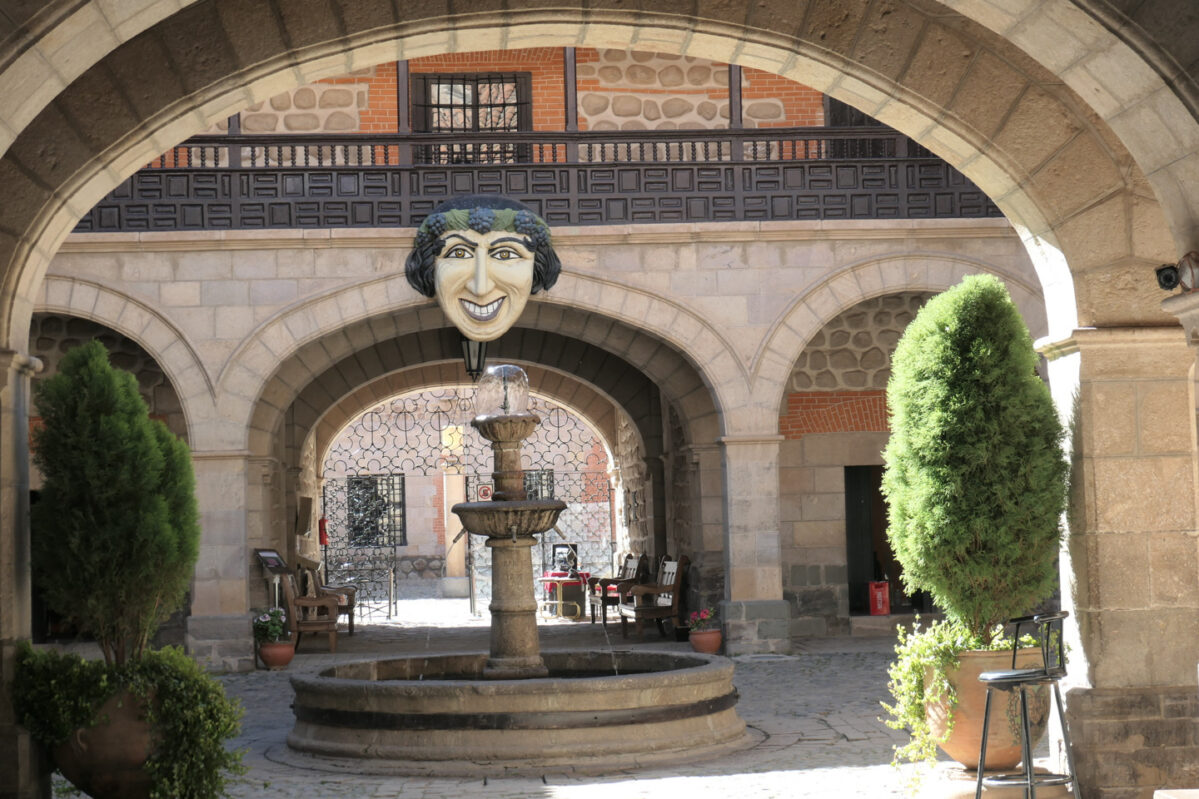
- The Mint (Casa Nacional de la Moneda)- shows you the history of Spanish coins because all the money for the whole Spanish empire was minted here for several centuries! The American dollar sign comes from the symbol from this mint. You’ll learn a lot here…but surprisingly little about the conditions of the people who mined all the silver for this mint.
- Consider a mine tour, but be aware of the issues morally and with safety
- Santa Teresa Convent and Museum– another convent for rich families to send their daughters to. The one in Arequipa was more photogenic, so if you’re only going to one, I’d go to the one in Arequipa. It’s an interesting historical look at what their lives were like, so if you haven’t been to one already, I’d recommend it!
From Potosí, it’s a scenic 3-4 hour drive to Uyuni, so a very convenient stop. Our hotel arranged a very affordable taxi for the 4 of us (about $50).
Where to stay: We stayed at the beautiful Hostal Colonial Potosí, as we were with my parents. They had a delicious breakfast, lovely facilities, and a great location and helpful staff.
What to do in South America: Chile- San Pedro de Atacama
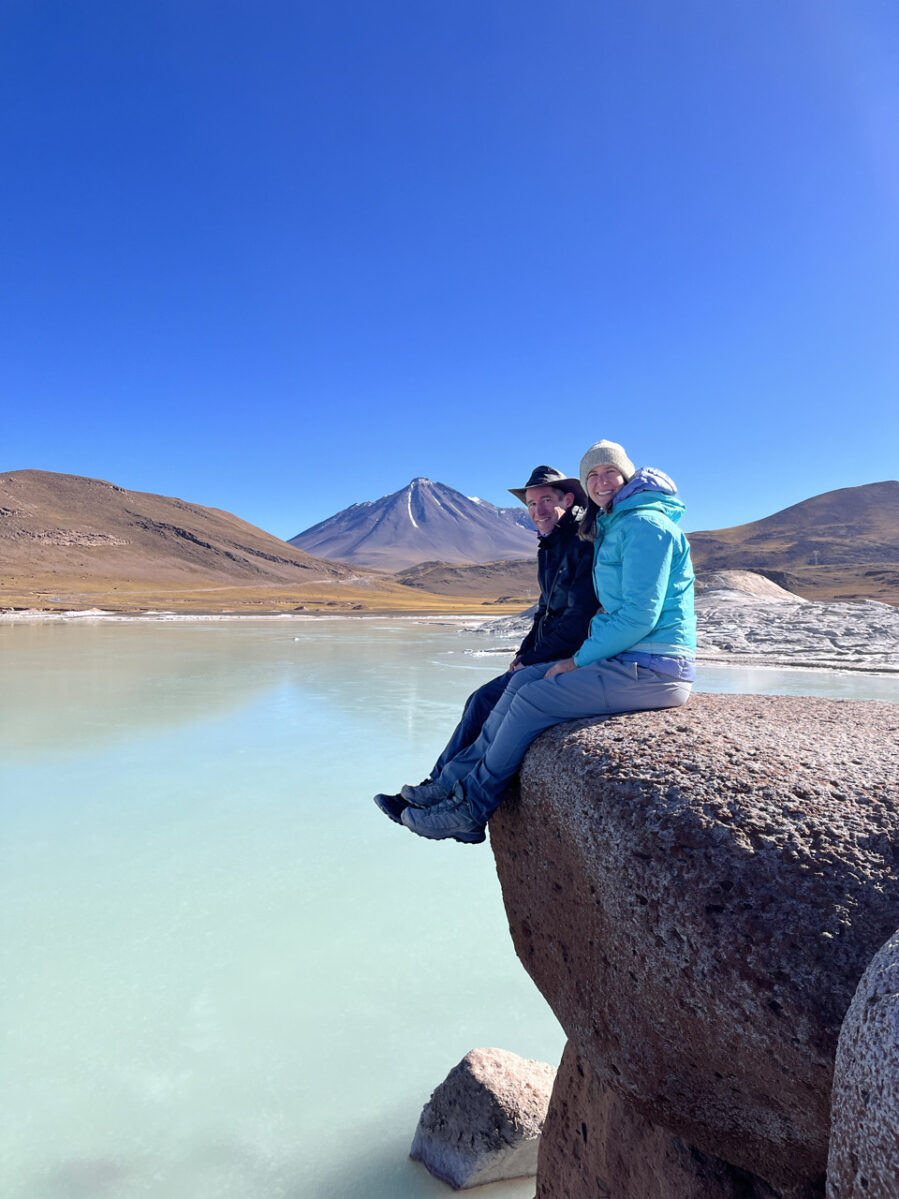
Why go: When you go to the Bolivian salt flats, if you do a three or four day tour, you can end your tour either back at Uyuni or end in San Pedro de Atacama, in Chile. If you have more time, you can go here for some of the best stargazing in the world, as well as a plethora of high altitude desert surreal landscapes.
Chile is much wealthier than Bolivia, so tours from San Pedro de Atacama are much more expensive- but also very well run, include meals and comfortable transportation, and good organization. It’s not a great budget location, as all the major sights are a 4WD car ride away. The cheapest way is group tours- what we did- though you can also do private tours or rent your own 4WD vehicle in Calama, 1.5 hours away.
Things to do:
- Stargazing! – this is just one of many options, depending on what you want- but San Pedro de Atacama has some of the darkest skies in the world, and only a few nights with clouds a year! So looking up should definitely be on your itinerary!
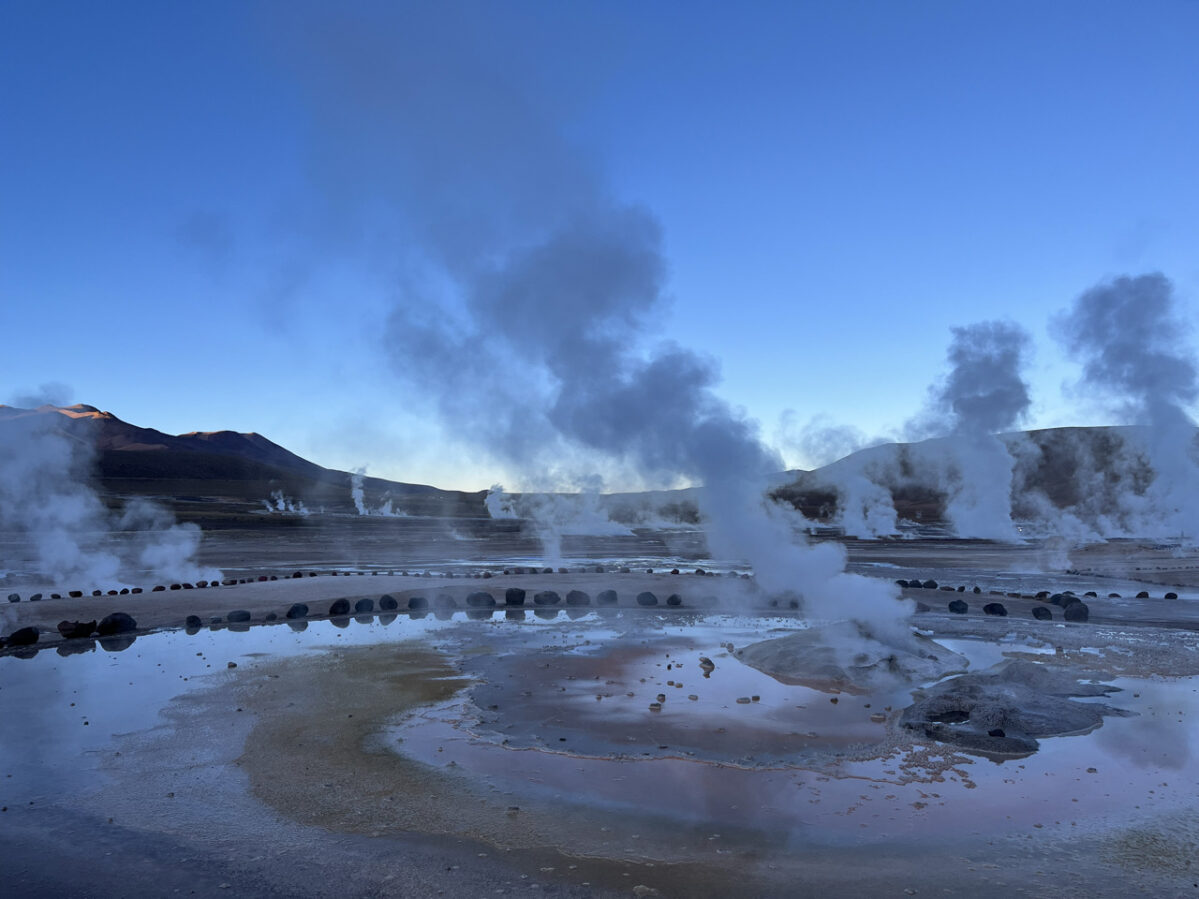
- Geysers and hot springs! Okay, it’s not as spectacular as Yellowstone, and you do have to wake up very early to experience them. But they’re gorgeous and special in their own right, and Atacama Magic cooked us a warm breakfast with a spectacular view afterwards! Just dress extremely warmly- it was below freezing when we went in June!
- Valley of the Moon and sunset views– so many beautiful views! We did the geysers in the morning and this tour in the afternoon/evening
- More stunning high-altitude lakes with unusual formations and incredible views! This is a full day experience
- Get fantastic sandwiches here!
- Enjoy delicious ice cream at Babalu
Where to sleep: We had a good experience with Hostal Mama Tierra– quiet, peaceful individual rooms, breakfast included, and able to arrange whatever tours you want.
From San Pedro de Atacama, you have a few options:
- Go to the nearest airport, Calama (1.5 hours, buses available), and from there, fly on to Santiago, Chile’s capital. From there, you can fly home. Or to Patagonia, or Buenos Aires, or anywhere else in South America!
- Drive or take a bus to Argentina’s northwest region around Salta (see below)
What to do in South America: Argentina
Salta
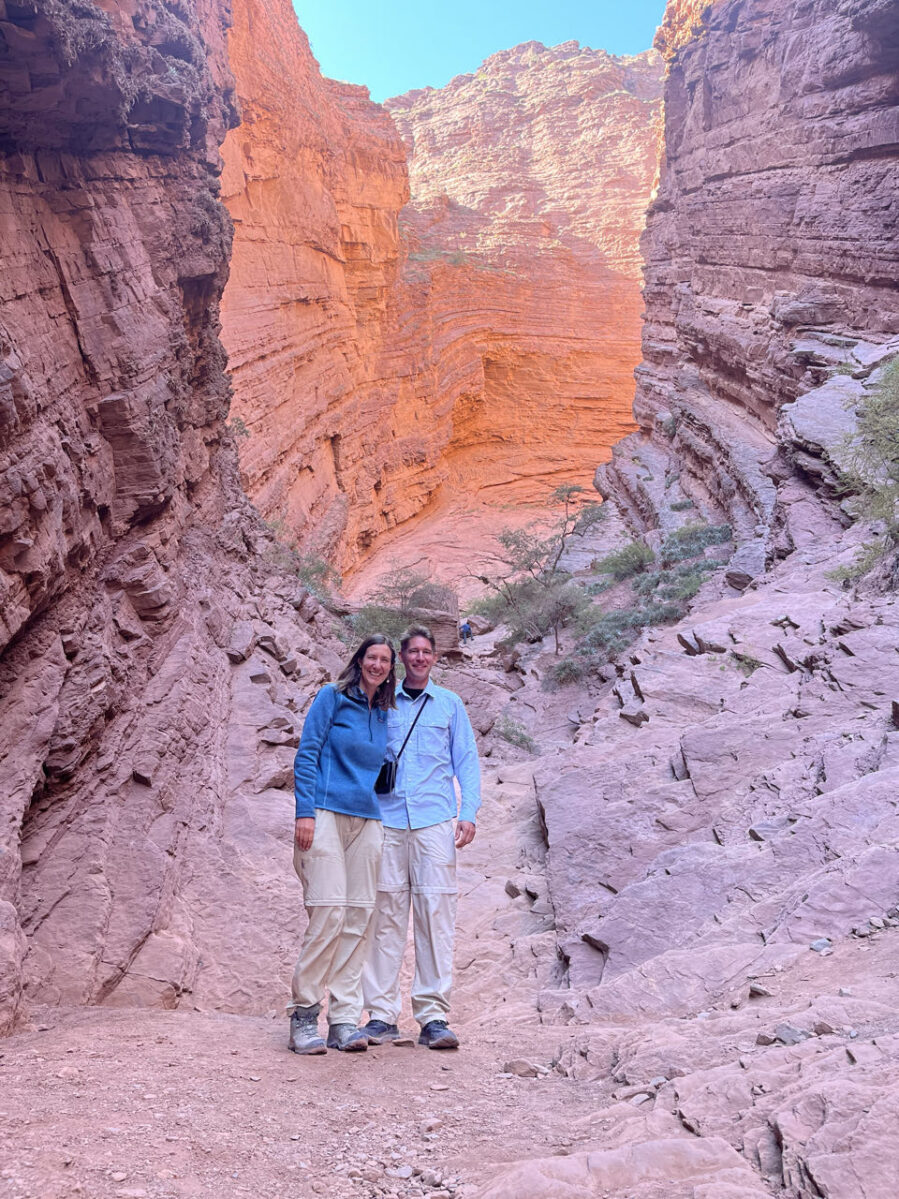
Why go: Crazy geology formations as colorful as Peru’s rainbow mountain and as stunning as the U.S.’s canyon country- but without any crowds!
Logistics: You can take a bus from San Pedro de Atacama to Purmamarca, Salta, and other towns nearby with Andesmar– every day except Sundays. Otherwise, you can rent a car in Calama, or ask your hotel/hostel for a taxi. Even across the border on a five hour drive, it won’t be too expensive.
Once you’re there, you can either arrange a local driver through your hotel, continue with your driver from San Pedro de Atacama, rent a car in Salta and drive yourself, or do these as day trips from Salta in group tours (lots of driving but also possible).
Afterwards, Salta has an airport- so you could fly from Salta to Buenos Aires and continue exploring there, or directly to Lima, if you want to buy roundtrip tickets to/from Lima, or Panama City, if you have roundtrip tickets there, or explore elsewhere in Argentina. We went to Iguazú Falls, which also has direct flights from Salta!
Things to do:
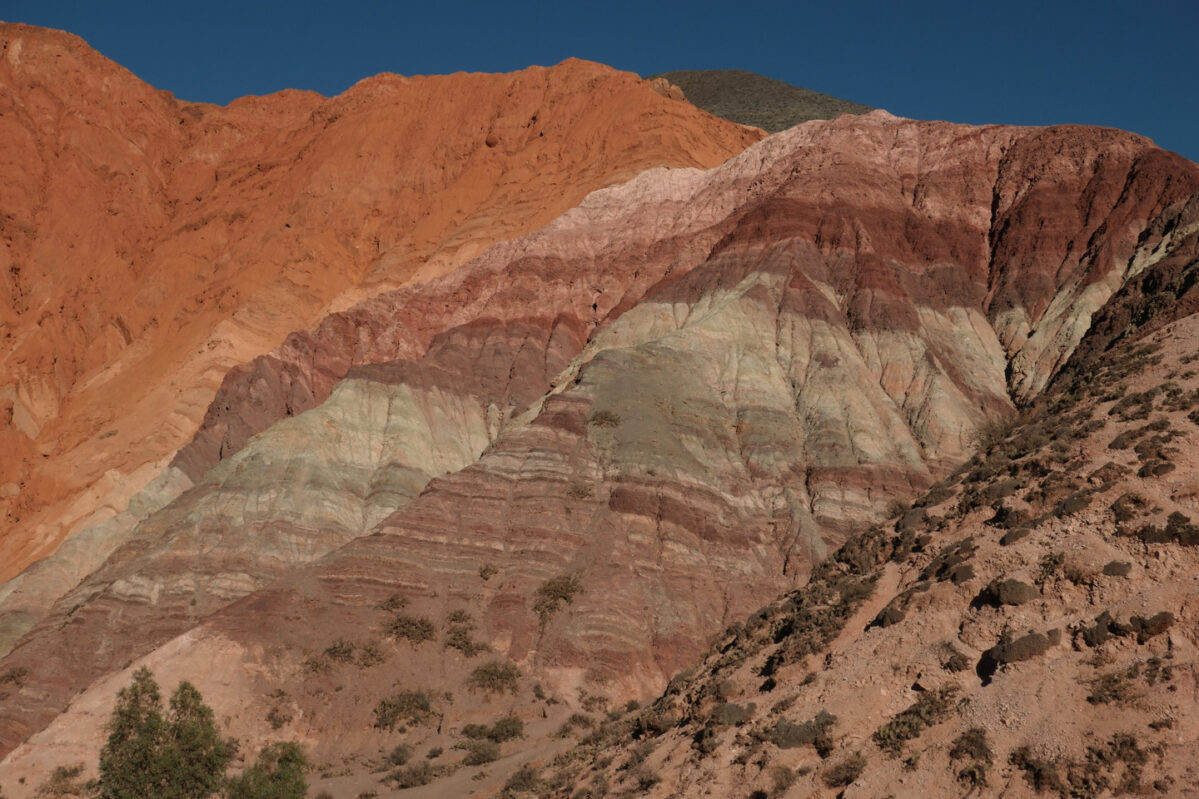
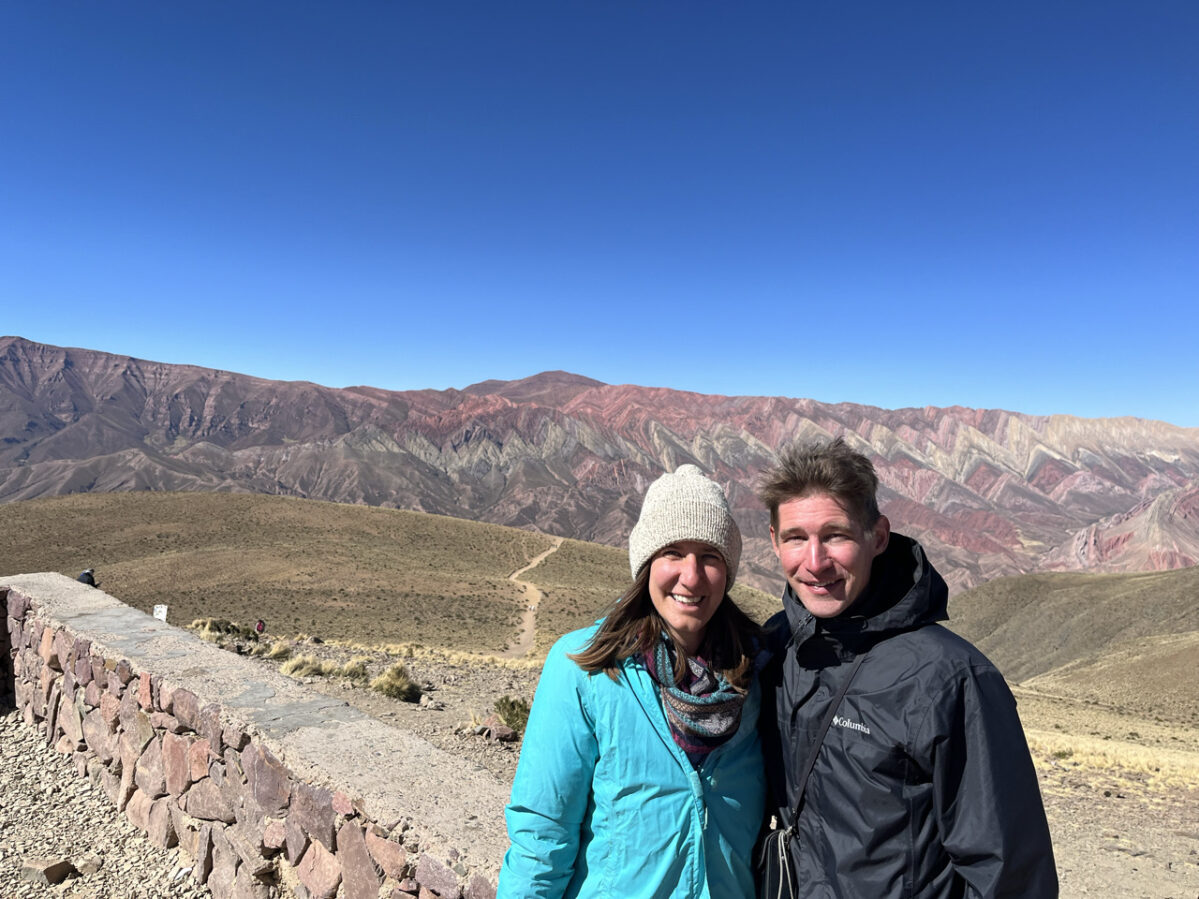
- Purmamarca: A beautiful small town with rainbow-colored rocks everywhere. We stayed at La Valentina, with a good breakfast and a very short walk to some lovely hikes, like the Hill of Seven Colors. We ate well at Pedro Pan and delicious pizza at Ci Vediamo. From here, though it’s a long drive, we went to Quebrada de Humahuaca (incredible canyon, including a viewpoint of the “14 colors palette), Tilcara (archeological site and lovely cactus botanical garden)
- Cachi: The drive there from Salta goes through a national park of cactuses (cardones)! You can stay at Hosteria Villa Cardon, with a delicious breakfast, beautiful rooms, and a great location. Make a trip to eat at Puna Bodega– absolutely fantastic fixed-price menus with wine pairings and gorgeous views! Eat ice cream at La Cacheña Helados Artesanales for unique local flavors!
- Cafayate: Drive from Cachi back up to Salta a long way around, near Cafayate to see amazing geological formations like “the devil’s throat”, “the amphitheater,” “the toad,” “the chimney,” and many more!
- Salta: The capital of this region with excellent food, major museums, and the public transport hub if you’re taking buses or flights anywhere else in Argentina, or want to go on group tours elsewhere.
- Museum of Archeology of the High Mountains (MAAM)– excellent museum well-described in English explaining the rituals and culture of the Incans, with 1 of 3 ritually preserved child sacrifices on display and well explained.
- Eat well! We enjoyed classy and delicious local food at José Balcarce bistro, beautiful views and a great, fancier meal at El Baqueano, and very local, affordable, and extremely popular meals at Doña Salta.
Iguazú Falls
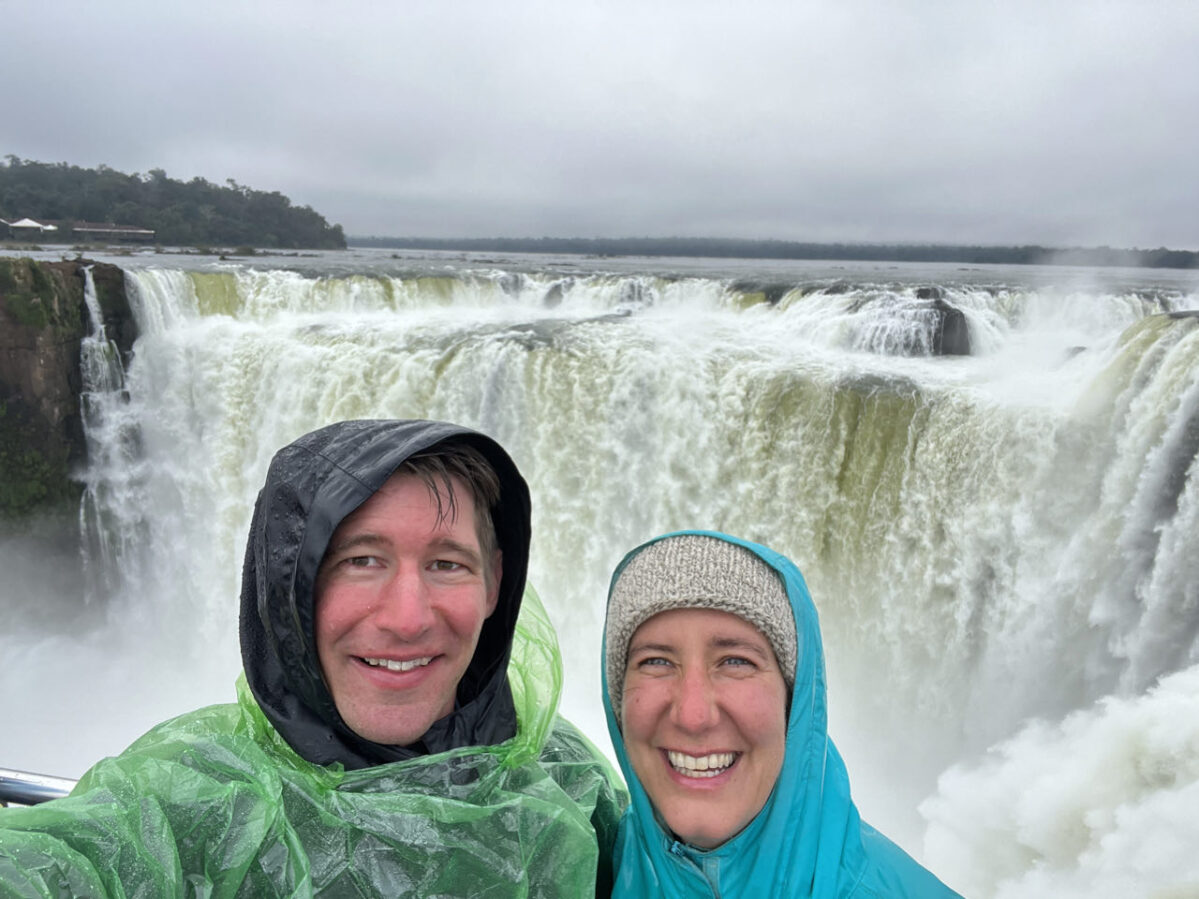
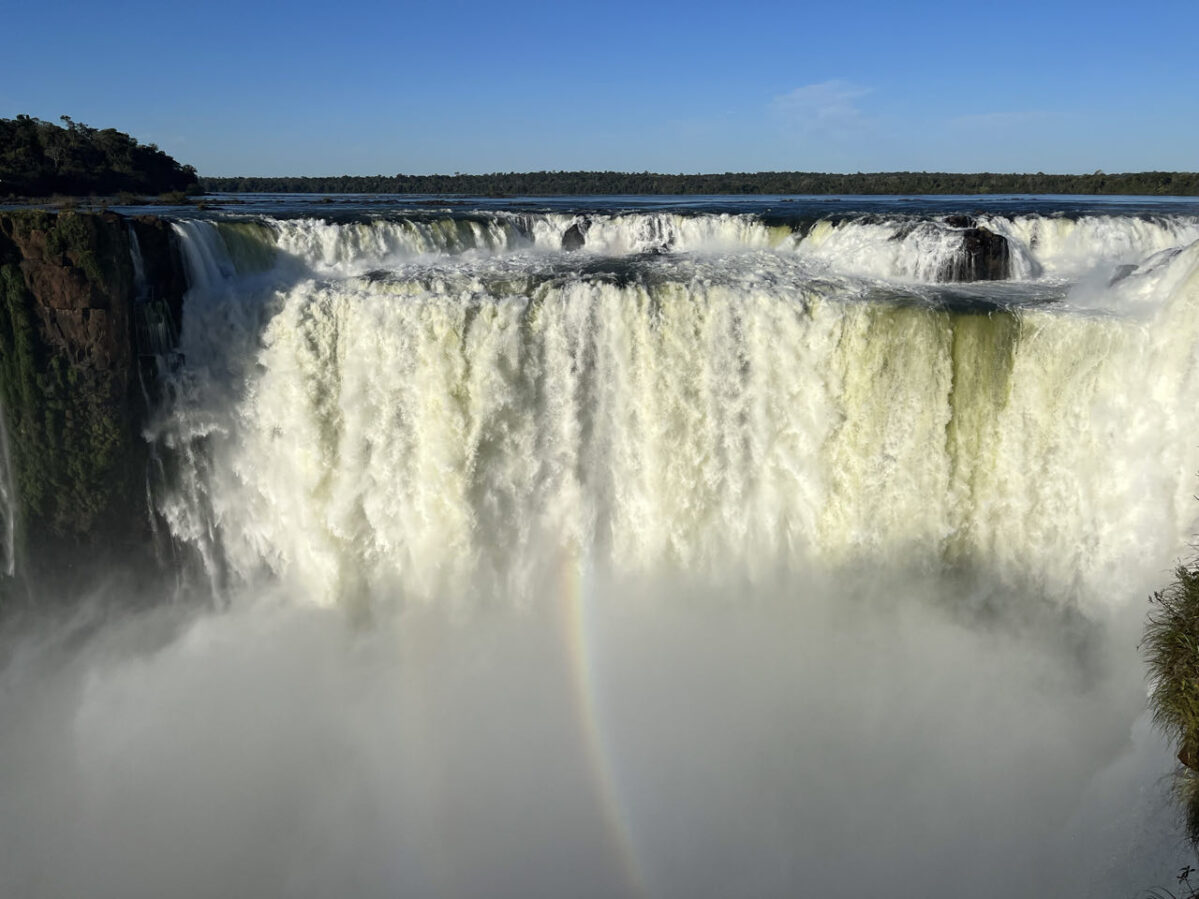
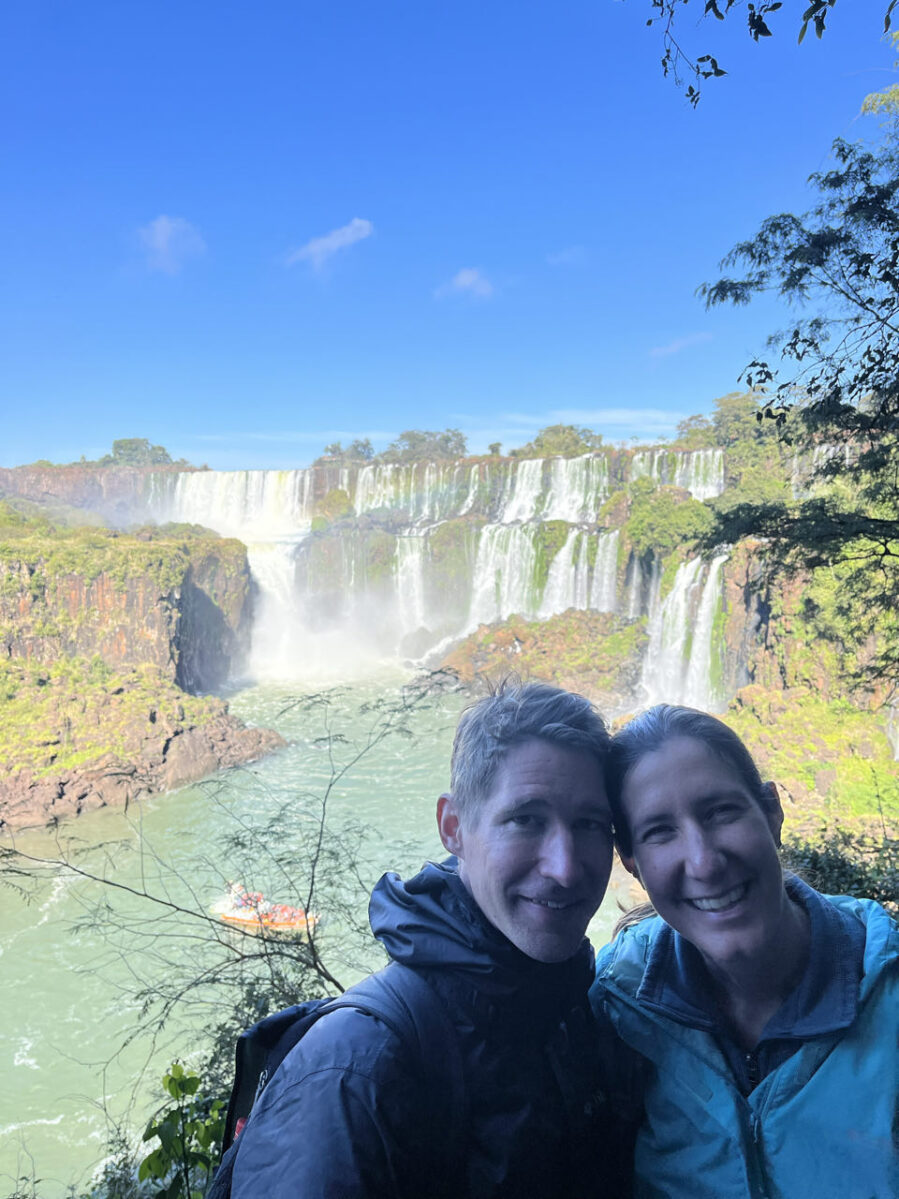
Why go: Iguazú Falls is TWICE as wide as Niagara Falls, and is one of the natural wonders of the world!
With direct flights from Salta, why not see this opposite place- tropical jungle instead of desert, hummingbirds and butterflies everywhere, the sound of roaring waterfalls ever-present after the silence of the desert?
Things to do:
- Wander around with as much time as you can on both sides. The Argentinian side has more paths and more activities, so give it at least 1 full day, ideally 2 or 3. If time, give at least half a day to the Brazilian side too, as it has different views but only 1 main path that’s not so long. You definitely don’t need to go on a tour- the paths are all very clearly marked and it’s all extremely well organized!
- On the Argentinian side, have some delicious pasta at La Toscana Trattoria
- On the Brazilian side, have some of the best pizza we’ve ever had at Quinta da Olivia!
- If extra time:
- Jardin de los picaflores: We love hummingbirds, so we loved this hummingbird garden. Call ahead to reserve a spot- and ask when the sunlight will be on the garden, as it makes the hummingbirds so much more beautiful!
- Animal sanctuary: See more animals up close here in this rescue center
- Itaipu dam: For people interested in hydroelectric power and dams, this is an enormous dam on the border of Brazil and Paraguay.
Where to stay:
- On the Argentinian side, we had a beautiful stay at Oasis Bed and Breakfast, with delicious breakfast in a lovely garden atmosphere with hummingbirds all around.
- On the Brazilian side, we loved Pousada Cris Garden Bed and Breakfast, with excellent breakfast and quiet and affordable
Last Thoughts
South America has some of the world’s most incredible sights, from the natural wonders of Iguazú to the archeological marvels of Machu Picchu. Now you should know what to do in South America! I hope you have lots of fun planning your adventures there!